

If you're looking to enhance the beauty of your landscape with vibrant, low-maintenance plants, start with Liriope Muscari. This versatile perennial is known for its late-summer purple flowers and lush foliage that can thrive in various conditions. In this blog post, we will explore the captivating allure of Liriope Muscari, guide you in choosing the right variety for your garden, provide essential tips on planting and caring for these plants, suggest creative uses for them in your outdoor space, and offer solutions to common issues you may encounter along the way. Join us as we delve into the world of Liriope Muscari!
The Beauty of Liriope Muscari
Liriope Muscari, also known as Lilyturf, is an evergreen perennial that adds a vibrant splash of purple to any landscape. Its long, slender leaves create an elegant evergreen groundcover that remains green throughout the year. With its low maintenance requirements and ability to thrive in various soil conditions, Liriope Muscari is a versatile choice for adding beauty and colour to gardens and borders.
Understanding Liriope Muscari
- Characteristics of Liriope Muscari: This evergreen perennial plant features long, slender leaves that are a vibrant shade of green. It produces striking spikes of purple flowers during the summer months, adding a pop of colour to any landscape.
- Growing Conditions for Liriope Muscari: Liriope Muscari thrives in well-draining soil and prefers partial shade to full sun. It is relatively low-maintenance and can tolerate drought conditions once established.
- Varieties of Liriope Muscari: There are several popular varieties of Liriope Muscari, including 'Big Blue', which has larger flower spikes, and 'Variegata', which features variegated foliage.
Liriope Muscari is an attractive addition to any garden or landscape due to its unique characteristics, adaptable growing conditions, and various varieties available. Its lush green foliage provides year-round interest while the vibrant purple flowers add a touch of elegance in the summer. Whether you're looking for ground cover or border plants, liriope muscari offers versatility and beauty that is sure to enhance your outdoor space.
Benefits of Liriope Muscari
Erosion Control: Liriope Muscari is an excellent choice for erosion control due to its dense foliage and spreading habit. Its deep root system helps stabilize soil on slopes, preventing runoff and protecting against erosion.
Liriope Muscari is a versatile, low-maintenance plant that not only helps control erosion but also adds year-round interest and vibrant colour to any landscape.
Low-Maintenance Landscaping: With its evergreen nature, Liriope Muscari requires minimal maintenance once established. It thrives in a variety of soil conditions and can tolerate both sun and shade. This makes it a versatile option for those looking to create green, low-maintenance landscapes.
Year-Round Interest and Colour: Liriope Muscari provides year-round interest with its vibrant purple flowers that bloom from late summer through fall. Even when not in bloom, the dark green foliage adds colour and texture to the landscape, making it visually appealing throughout the seasons.
Liriope sits in the same design slot as mondo grass and lomandra, so it is worth reading this alongside our guides to mondo grass and Lomandra longifolia care before you commit to a mass planting.
Choosing the Right Variety
Liriope Muscari comes in various varieties that cater to different preferences and conditions. Factors like sunlight, soil type, and desired height should be taken into account when making a selection. Whether you're looking for vibrant purple flowers with 'Big Blue,' variegated leaves with 'Silvery Sunproof,' or a more compact option like 'Royal Purple,' there is a Liriope Muscari variety suitable for every garden style.
Popular Varieties of Liriope Muscari
'Big Blue': With its vibrant purple flowers and lush green foliage, 'Big Blue' is a popular variety of Liriope Muscari that adds a bold splash of colour to any landscape. Its striking presence makes it an excellent choice for creating eye-catching focal points in gardens or borders.
'Variegata': One of the most visually captivating varieties, 'Variegata' features leaves adorned with creamy white stripes. This unique characteristic adds visual interest and depth to any garden, making it a versatile option for both traditional and contemporary landscaping designs.
'Silver Dragon': For those seeking an elegant aesthetic, 'Silver Dragon' is an ideal choice. This variety showcases silver-grey foliage that sets off its delicate lilac flowers. The combination of textures and colours ensures a sophisticated appeal that can elevate any outdoor space.
Alongside the Evergreen Giant, two varieties do most of the work in Australian gardens. Big Blue liriope is the reliable all-rounder for mass planting, reaching about 40 cm with dense violet spikes, while Royal Purple liriope carries a deeper, richer flower that reads well against pale gravel and rendered walls.
Factors to Consider
Sunlight requirements are an important factor to consider when selecting a variety of liriope. Some varieties thrive in full sun, while others prefer shaded areas. Carefully assess your landscape conditions to choose the right variety for optimal growth.
Another key factor is the growth habit of each liriope variety. Consider both the height and spread of the plant to ensure it seamlessly fits into your garden design. This will help create a harmonious and visually appealing landscape.
Maintenance needs should also be taken into account before making a selection. Factors such as watering requirements, pruning demands, and overall care can vary between different varieties of liriope. Make sure you're aware of these needs so that you can provide appropriate care for your plants.
By considering these factors - sunlight requirements, growth habit, and maintenance needs - you'll be able to select the ideal liriope variety that will thrive in your landscape while complementing its design aesthetic.
Planting and Caring for Liriope Muscari
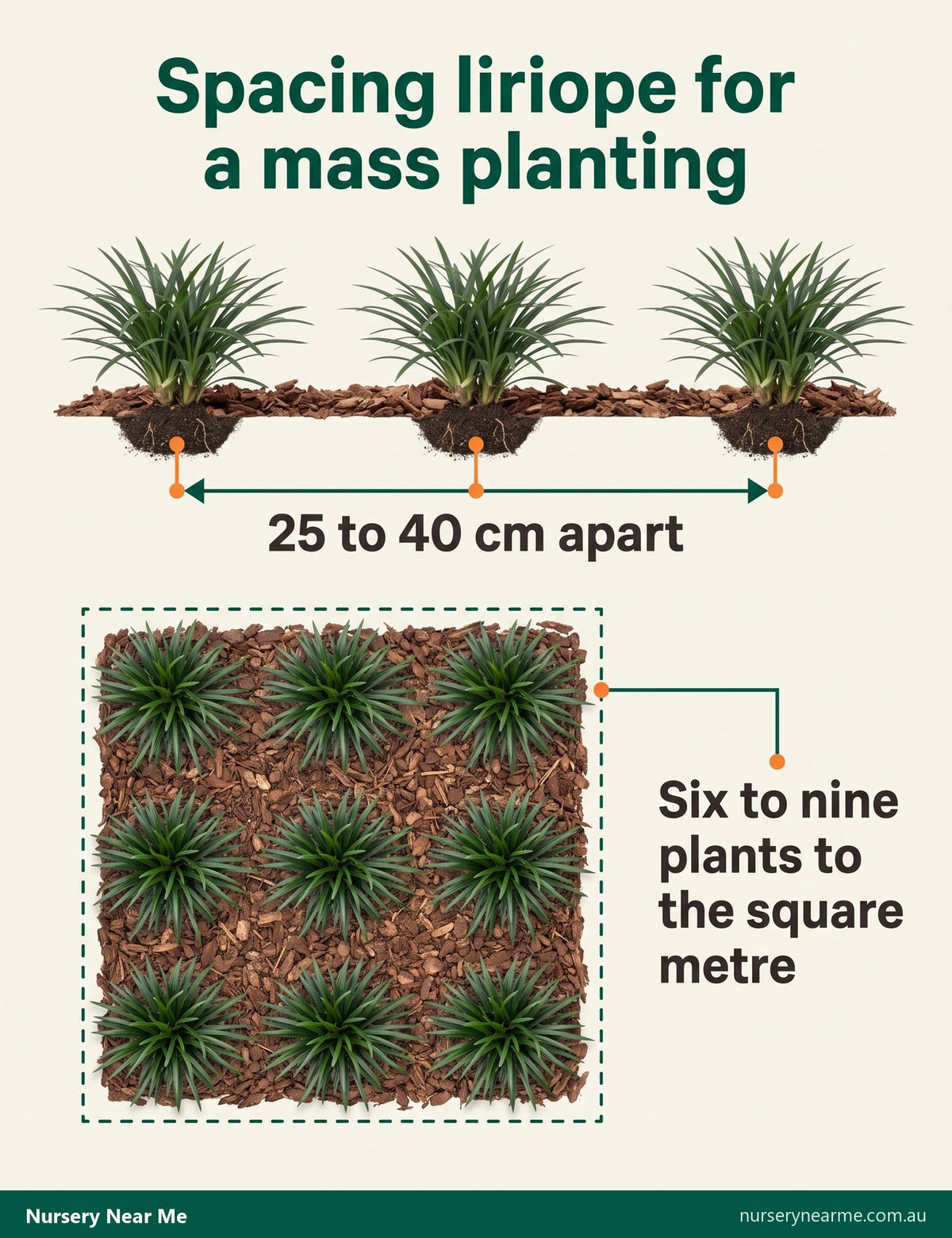
Liriope muscari thrives in well-drained soil and partial shade, making it ideal for gardens with dappled sunlight. Ensure the planting area is weed-free before placing the plants, as competition can hinder growth. Additionally, spacing them 12 to 18 inches apart allows room for expansion while maintaining a dense ground cover.
To achieve optimal results when planting liriope muscari, dig a hole that is slightly larger than the root ball and gently loosen any compacted roots. Place the plant in the hole so that its crown sits level with or slightly above ground level. Fill in with soil around the roots and press firmly to eliminate air pockets.
Watering regularly after planting promotes healthy establishment of liriope muscari. Deep watering once a week during dry spells encourages deep root growth but be sure not to overwater as this may lead to rotting of rhizomes.
Fertilise liriope muscari annually in early spring using a slow-release balanced fertiliser according to package instructions. Avoid excessive fertilisation as it can cause lush foliage at the expense of flower production.
Maintain tidy-looking clumps by cutting back old leaves just before new spring growth emerges each year. Trim spent flower spikes promptly to encourage continuous blooming throughout summer.
With these simple tips on planting and caring for liriope muscari, you can confidently add an eye-catching splash of purple to your landscape while ensuring its long-term health and beauty.
Ideal Growing Conditions
Sunlight requirements for Liriope Muscari vary depending on the climate. In moderate to cooler climates, they prefer partial shade with a few hours of direct sunlight each day. However, in warmer regions, full sun exposure is ideal for these vibrant purple plants.
Liriope Muscari thrives in well-draining soil that is rich in organic matter. They prefer slightly acidic to neutral pH levels and can tolerate various soil types such as sandy or loamy soils. Ensuring proper drainage is crucial as excessive moisture can lead to root rot and other plant diseases.
When considering climate conditions for Liriope Muscari, it's essential to choose a location that experiences mild winters and moderate summers. These plants are hardy but may struggle if exposed to extreme cold or heat for extended periods. Additionally, they thrive in areas with consistent rainfall or where supplemental watering can be provided during dry spells.
Planting Tips
Choosing the right location is crucial for successfully planting liriope. This hardy perennial thrives in partial to full shade, making it ideal for shaded areas of your landscape. When preparing the soil, ensure it is well-drained and rich in organic matter to promote healthy growth. Proper spacing is important as it allows air circulation and prevents overcrowding, ensuring each plant has enough room to flourish.
- Choose a partially shaded area
- Ensure well-drained soil with organic matter
- Leave adequate spacing between plants
Watering and Fertilising
- Water liriope plants deeply once a week, providing enough moisture to reach the roots.
- Ensure proper drainage to prevent waterlogged soil and root rot.
- Apply a balanced fertiliser during the growing season to promote healthy growth.
Pruning and Maintenance
Trimming back in spring is an essential part of maintaining healthy and thriving liriope plants. By removing dead or damaged foliage, you not only improve the appearance of your landscape but also promote new growth. Disease prevention measures are crucial to ensuring the longevity of your liriope plants. Regularly inspecting for signs of pests or diseases and promptly addressing any issues will help keep your plants strong and vibrant. Weed control techniques, such as mulching and hand weeding, are necessary to prevent unwanted vegetation from competing with your liriope for nutrients and water.
- Trim back dead or damaged foliage in spring
- Inspect regularly for pests or diseases
- Use mulching and hand weeding for weed control
Creative Uses for Liriope Muscari
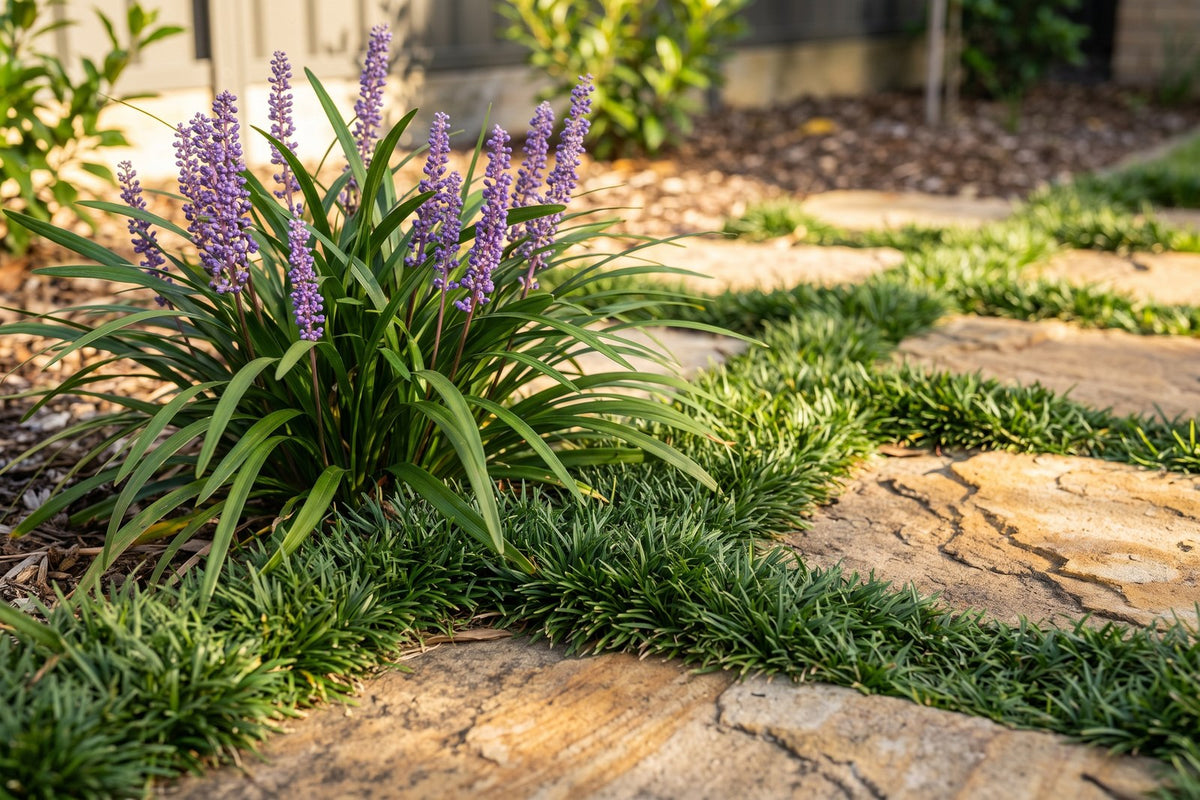
Groundcover and Border Plantings: Liriope Muscari is an excellent choice for groundcover and border plantings. Its dense, grass-like foliage creates a lush carpet of green that adds texture and visual interest to any landscape. The vibrant purple flowers that bloom in late summer provide a clear contrast against the green foliage, adding a splash of colour to your garden.
Container Gardening: Liriope Muscari is well-suited for container gardening. Its compact size makes it perfect for small spaces such as balconies, patios, or even window boxes. Planted in containers, liriope can be used to create eye-catching arrangements with other plants and flowers. Whether you prefer a single specimen or a mix of different varieties, liriope will add beauty and charm to your container garden.
Accent Plantings: Liriope Muscari can be used as accent plantings throughout your landscape design. Whether planted along pathways or around ornamental features such as fountains or statues, liriope's graceful form will draw attention and enhance the overall aesthetics of your outdoor space.
Companion Plantings: Pairing liriope with other plants can create captivating combinations in your garden beds. For example, planting liriope alongside colourful perennials like daylilies or coneflowers will create an appealing contrast between the vibrant blooms and the deep green leaves of the liriope.
Remember to adjust watering needs based on environmental factors such as temperature and soil conditions for optimal growth.
Groundcover and Border Plantings
Liriope Muscari, commonly known as Lilyturf or Monkey Grass, is an excellent low-maintenance alternative to grass for groundcover and border plantings. Its dense foliage creates a cohesive look throughout the landscape, providing a consistent splash of purple colour. Additionally, liriope's deep root system helps control erosion on slopes, making it an ideal choice for areas prone to soil movement.
Container Gardening
Adds vibrant colour to patio and balcony gardens: Liriope Muscari is an excellent choice for container gardening, adding a burst of vibrant purple colour to your patio or balcony. Its flowers create a visually striking display that instantly enhances the beauty of any outdoor space.
Thrives in containers with well-draining soil: Liriope Muscari thrives in containers when planted in well-draining soil. This allows for proper water drainage, preventing overwatering and root rot. Ensure that the container has adequate drainage holes to promote healthy growth and longevity.
Can be used as a focal point or mixed with other plants for variety: Whether you're looking to make a statement or add some variety, Liriope Muscari can be used as both a focal point or mixed with other plants. Its unique texture and deep purple hue make it an eye-catching addition to any garden arrangement, creating visual interest and adding depth to your landscape design.
Accent Plantings
Highlighting architectural features, accent plantings such as liriope muscari can make a landscape read as designed rather than accidental. By strategically placing these vibrant purple plants near pillars or walls, you can draw attention to the unique structure and design elements of your outdoor space.
In addition to their aesthetic appeal, liriope muscari also serves a practical purpose by adding texture and depth to flower beds or rock gardens. The long, slender leaves create an interesting contrast against other foliage and provide visual interest throughout the year.
Moreover, incorporating liriope muscari along walkways or driveways creates an eye-catching display that guides visitors through your garden with elegance. Placing these accent plantings in strategic locations allows for seamless integration between hardscape and softscape elements while enhancing the overall beauty of your outdoor environment.
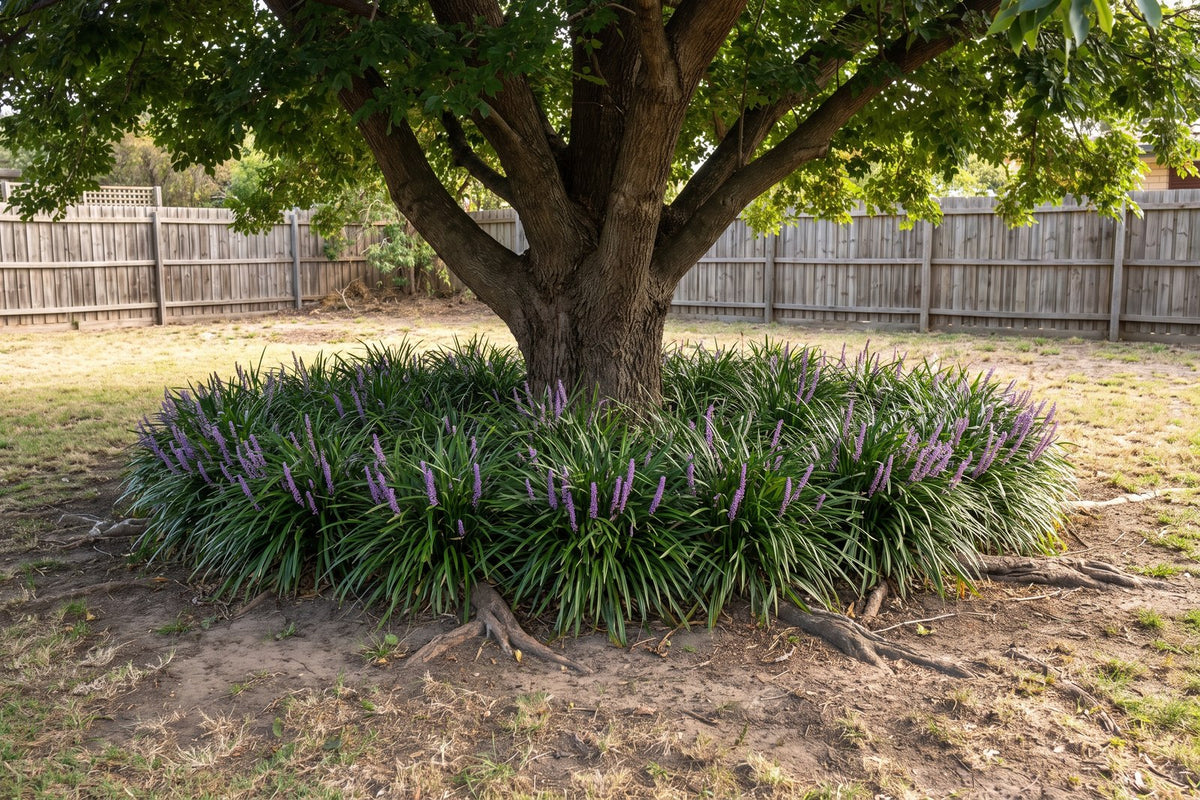
Liriope is one of the safest choices for planting under established trees, where root competition and dry shade defeat most perennials. Our guide to the best grasses for tree base planting covers spacing and soil preparation for exactly that situation, and dianella is the native alternative worth comparing it against.
Companion Plantings
1. Liriope muscari provides contrast when paired with plants of different colours and textures in companion plantings. Its vibrant purple hue stands out against lighter shades, creating visual interest and depth in your landscape.
2. Complementing flowering shrubs by filling in gaps, liriope muscari serves as the perfect backdrop for their blooms. Its low-growing habit and lush foliage add a lush green foundation that enhances the overall beauty of your garden.
3. As an accent plant, liriope muscari acts as a striking background for colourful annuals or perennials. Its slender leaves create an elegant silhouette that allows the vibrant hues of other flowers to truly shine, turning your garden into a captivating tapestry of colours.
Dealing with Common Issues
Pest Control
Identifying common pests that lurk amidst the strappy, grassy leaves of Liriope Giganteum is critical for ensuring their optimal growth and health. Be vigilant about aphids, slugs, and snails that can inflict damage on the clumping, pink flower heads and lush foliage of your Liriope plants.
Natural remedies, such as insecticidal soap or neem oil, can act as effective pest control measures, repelling aphids and other unwelcome insects. Additionally, encouraging beneficial insects like ladybugs within the planting mass can keep pest populations at bay.
Practicing good garden hygiene is key to deterring pests. Regularly remove debris and fallen leaves from your mass plantings of Liriope Giganteum. Mulching with crushed eggshells or pine needles around the base of the plants serves as an effective deterrent to slugs and snails.
Disease Prevention and Management
Common diseases affecting liriope plants can include fungal infections, such as leaf spot and root rot, as well as viral diseases like mosaic virus. To prevent disease in liriope, it is essential to promote good air circulation by spacing plants adequately and avoiding overcrowding. Additionally, practicing proper watering techniques, such as watering at the base of the plant and avoiding overhead irrigation, can help prevent moisture-related diseases. If disease does occur in liriope plants, prompt action should be taken through measures like removing infected foliage or using appropriate fungicides to manage and treat the infection effectively.
Weed Control
Types of weeds that commonly affect liriope beds include grasses, broadleaf weeds, and invasive species. Grasses like Bermuda grass can quickly overtake liriope and compete for nutrients. Broadleaf weeds such as dandelions and clover can also invade liriope beds if left unchecked. Invasive species like Japanese stiltgrass pose a significant threat to the health of your liriope plants.
Methods for weed prevention and removal from liriope areas involve regular maintenance and strategic mulching. Regularly inspecting your liriope beds allows you to identify any emerging weeds early on. Hand-pulling is an effective method for removing small patches of weeds manually. Applying pre-emergent herbicides in early spring before weed seeds germinate can prevent weed growth in your liriope beds.
Using mulch as a natural weed barrier for your Liriopes helps suppress the growth of unwanted plants while providing beneficial insulation and moisture retention for your Liriopes' root systems. Apply a layer of organic mulch around the base of each plant, ensuring it does not cover the crowns directly but extends outwards to cover the soil surface within the bed area.
Used as a border it pairs neatly with the low-growing options in our guide to ground cover for in between steppers, and in shaded courtyards it sits happily beside the picks in the best ground cover plants for shade.
Conclusion
In conclusion, Liriope muscari is a versatile and low-maintenance plant that can add a vibrant touch of purple to any landscape. Its hardiness and adaptability make it suitable for various climates and soil conditions. With its dense foliage and charming flower spikes, liriope can be used as ground cover or border plants to create visual interest in gardens. Consider incorporating liriope muscari into your landscaping project for an eye-catching burst of colour that will thrive with minimal care.
Liriope muscari also offers practical benefits beyond aesthetics. Its dense growth helps suppress weeds, reducing the need for herbicides or manual weed removal. Additionally, liriope's ability to withstand drought makes it an excellent choice for water-wise gardening practices. By selecting this resilient plant, you can enjoy its beauty while minimising environmental impact and conserving water resources.
Liriope is usually specified alongside lomandra, dianella and mondo grass. Ornamental grasses for Australian gardens compares all of them, with planting densities for mass planting.
Where liriope grows in Australia
Liriope is one of the genuinely national plants - it performs in every Australian capital, in sun or shade, and holds its appearance year-round. That reliability is why it appears in so much commercial and council planting.
| Location | How it performs |
|---|---|
| Brisbane and southeast Queensland | Excellent, including humid summers |
| Sydney and coastal NSW | Outstanding in sun or dry shade |
| Melbourne, Canberra, Tasmania | Very good. Frost hardy once established |
| Adelaide and Perth | Good, and genuinely drought tolerant once settled |
| Darwin and tropical Queensland | Grows well with adequate drainage |
Its real strength is dry shade
Liriope is one of the few plants that thrives under an established tree, where the tree takes the water first and light is limited. That combination defeats lawn and most groundcovers. Together with clivia and Asiatic star jasmine, liriope is the reliable answer for the bare ground under a mature Australian shade tree.
It also handles the opposite - full sun and reflected heat beside a driveway - which very few shade-tolerant plants manage.
Liriope or mondo grass?
These are constantly confused and are genuinely different plants for different jobs.
| Liriope | Mondo grass | |
|---|---|---|
| Height | 300-450 mm | 50-100 mm dwarf, 200-300 standard |
| Leaf | Broader, more upright | Finer, softer |
| Flowers | Showy purple spikes above the foliage | Insignificant, hidden |
| Growth rate | Moderate | Slow to very slow |
| Sun tolerance | Handles full sun well | Prefers shade; browns in hot sun |
| Best for | Mass planting, borders, dry shade | Between pavers, fine edging |
If you want a flowering border plant that fills space reasonably quickly, choose liriope. If you want a low crisp line between pavers, choose dwarf mondo.
Cutting back
Like lomandra and dianella, liriope accumulates old foliage and starts to look tired after a few years. Cut the whole planting back to about 100 mm in late winter, before new growth begins, and it returns fresh and dense within weeks. A brushcutter or hedge trimmer makes short work of a mass planting.
Get the timing right - cutting back too late removes the developing flower spikes and you lose the purple display that is the main reason to plant it.
Feeding and dividing
A light application of controlled-release fertiliser in spring is enough; liriope is not demanding. Congested clumps can be lifted and divided in spring, which is the cheapest way to expand a planting and restores vigour to clumps that have stopped flowering well.
Ready to plant?
Liriope is sold in small pots and planted in numbers, so work out your run length before you order. Browse the full groundcover range or the wider grasses for landscaping collection to plan the whole border in one go.