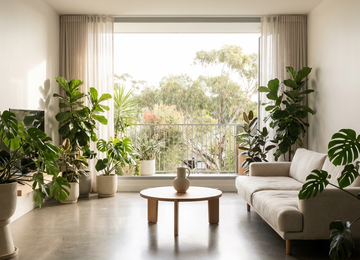
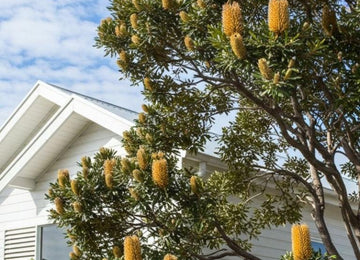


The golden cane palm, Dypsis lutescens, is the plant that built the modern Queensland backyard. A clumping palm with multiple golden stems and arching feathery fronds, it forms a lush screen from the ground up rather than a bare trunk with a tuft on top, which is exactly what you want along a fence or around a pool. In warm climates it is fast, dense and endlessly forgiving.
Its clumping habit is the whole trick. New canes keep emerging from the base year after year, so the screen thickens with age instead of thinning. Give it warmth, water and a regular feed and a row of golden canes will out perform most hedges for privacy while looking like a resort did the landscaping.
Quick facts
| Botanical name | Dypsis lutescens |
| Type | Clumping evergreen palm |
| Height | 6m to 8m in the ground, 3m to 4m in large pots |
| Position | Full sun to bright part shade |
| Soil | Rich, moist, free draining |
| Growth rate | Fast in warm climates, moderate in cooler areas |
| Climate | Tropical to warm temperate; frost sensitive |
Choosing golden cane and its alternatives
The palm itself
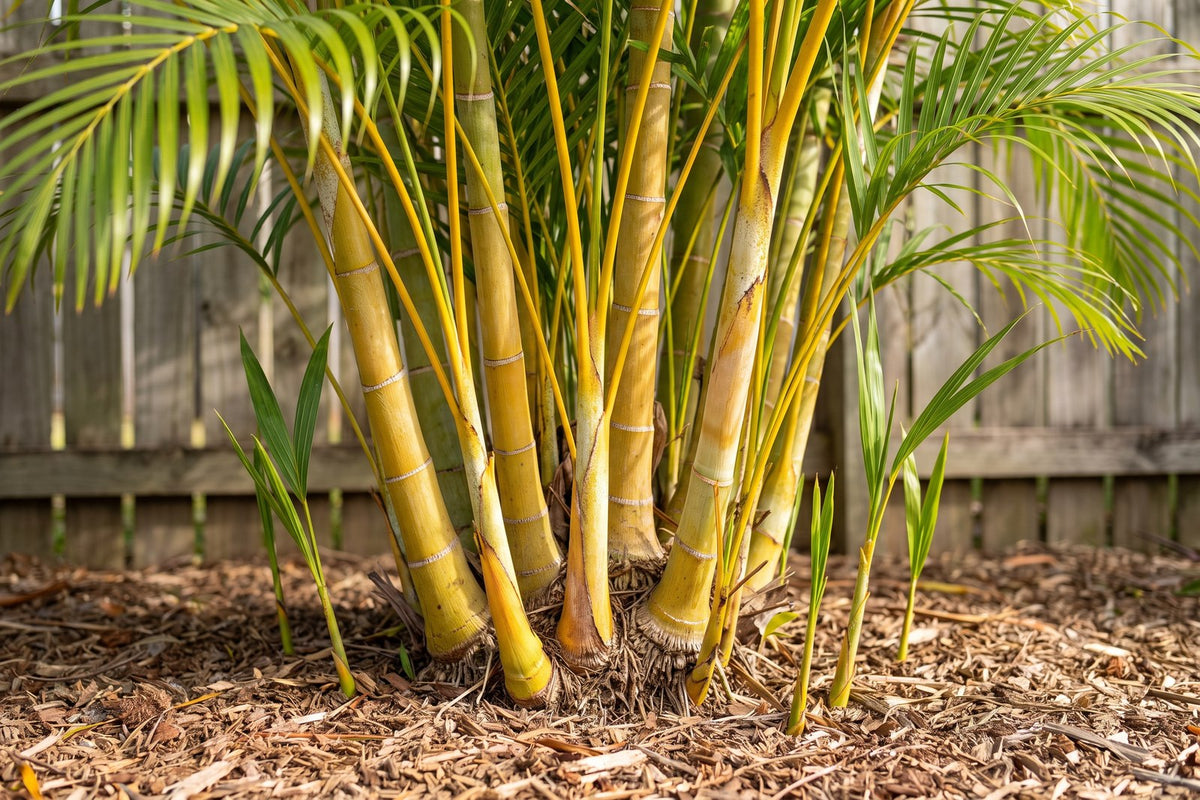
Our Golden Cane Palm, from $52.95, is the genuine article: sun grown stock with the golden stem colour that gives the species its name. Plant a single clump as a feature, or a row for the classic tropical privacy screen. In cooler capitals it also makes a superb bright verandah or indoor palm in a large pot. Golden canes transplant well from containers at any size, so you can start with whatever the budget allows and let warmth and water do the rest.
Clumping bamboo alternatives for taller, tighter screens
If you need more height or a narrower footprint than a palm can give, clumping bamboos do the same screening job with a different texture. Alphonse Karr Bamboo, from $36.95, brings gold and green striped canes to around 6m in a tight, non invasive clump. China Gold Bamboo pushes taller with brilliant golden culms, while Goldstripe Bamboo stays slimmer for narrow side passages. For sheer speed and bulk on acreage, Variostriata Bamboo fills big gaps quickly. All are clumpers, not runners, so they stay where you put them.
Golden cane is one of several palms used for the same job, and our guide to palm tree varieties covers how it compares on height, spread and cold tolerance.
Planting
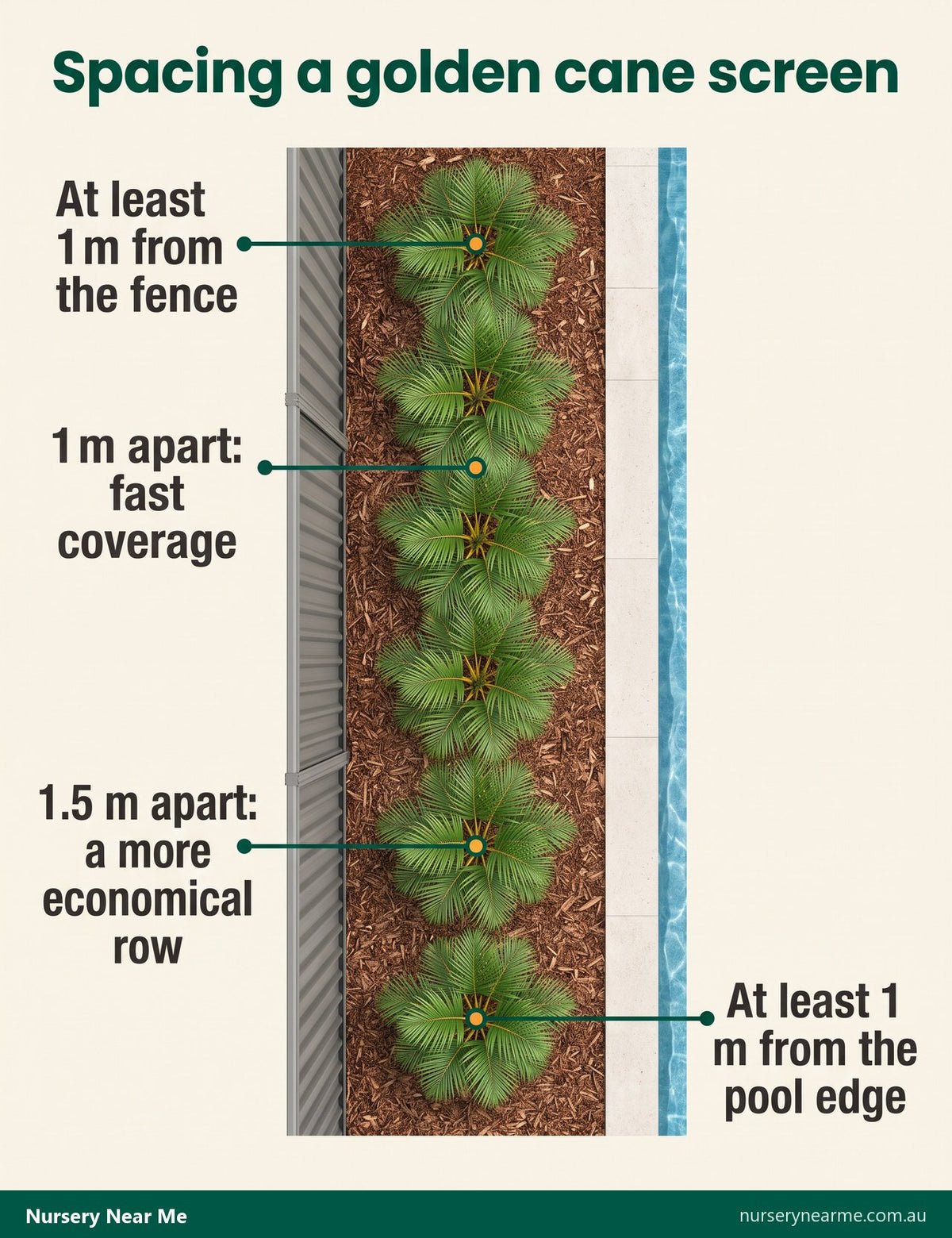
Golden canes colour best in full sun, where the stems turn properly gold, though they grow lusher and greener in part shade. Enrich the soil generously with compost before planting; this is a rainforest edge palm that likes to live well. For a privacy screen, space clumps 1m apart for fast coverage or 1.5m for a more economical row that closes within a couple of seasons. Keep clumps at least 1m from fences and pool edges to allow for the expanding base. Water deeply at planting and every couple of days for the first month, and mulch thickly. Around pools, set clumps back far enough that fronds clear the water; golden canes drop less litter than most trees, but no plant is entirely tidy. In pots, choose a 50cm plus container with premium mix and expect to refresh the mix every few years as the clump expands.
If the screen is going in beside a pool, our guide to tropical poolside plants covers the leaf-drop and root questions worth settling before you plant.
Ongoing care
Watering: These are thirsty palms in their first two years, wanting a deep drink two or three times a week in summer. Established clumps cope with average rainfall in the subtropics but always look better with water, and a thick mulch halves the watering burden while keeping the shallow feeder roots happy.
Feeding: Feed in spring and midsummer with a palm specific fertiliser containing magnesium and potassium. Hungry golden canes announce themselves with pale, yellowing fronds well before any real harm is done.
Grooming: Remove browned outer fronds at the base a few times a year. To rejuvenate an old clump, cut the tallest, tiredest canes off at ground level and let fresh ones replace them. Removed canes will not regrow from the stump; renewal always comes from new basal shoots instead.
For a single specimen rather than a run, the foxtail is the usual alternative, and our foxtail palm guide covers the difference in habit.
Common problems
Yellow fronds: First, remember the species is naturally golden green in full sun. Genuine deficiency shows as pale fronds with yellow banding, fixed with a palm fertiliser rich in magnesium and potassium.
Brown frond tips: Dry soil, salty wind or reflected heat off walls. Water more deeply and trim tips for tidiness.
Frost burn: Fronds bleach and collapse after cold nights below about 2C. Plant in a warm microclimate in marginal areas and leave damaged fronds on until spring, ugly as they are, since they protect the growing points below.
Spider mite on indoor palms: Fine speckling and webbing under fronds in dry rooms. Hose the foliage off outside monthly and mist regularly.
Golden cane sets the tone for a whole style of planting. Our guides to designing a tropical garden that looks lush year round and bamboo for screening cover what to plant with it and what to use instead where you need more height.
Where golden canes grow in Australia

The golden cane is the most planted screening palm in the country, and in the right climate it is close to foolproof. It comes from Madagascar and wants warmth, moisture and humidity, which maps almost exactly onto the eastern seaboard above Sydney.
| Location | How it performs |
|---|---|
| Brisbane, Gold and Sunshine Coasts | Ideal. Fast, dense, evergreen year-round |
| Northern NSW | Excellent in frost-free positions |
| Darwin and tropical Queensland | Fastest growth anywhere, and the largest clumps |
| Sydney | Good in a warm sheltered spot; slower through winter |
| Perth | Workable with generous irrigation - dry heat is not its preference |
| Melbourne, Adelaide, Canberra | Too cold outdoors. Grow in a pot that shelters over winter |
Frost is the hard limit. Below about 2°C the fronds mark, and a heavy frost can kill a young clump outright. In southern cities golden canes are best treated as a large container plant or an indoor palm rather than a garden screen.
The yellowing problem
Almost every complaint about golden canes in Australia is the same: the older fronds turn yellow and the clump looks tired. This is nearly always a magnesium or potassium shortage rather than disease, and it is especially common in the sandy soils of coastal Queensland and Perth where those nutrients leach quickly.
The fix is a palm-specific fertiliser, which contains both, applied in spring and again in midsummer. General garden fertiliser lacks them, which is why a well-fed palm can still look hungry. Expect improvement in new growth rather than recovery of the yellowed fronds.
Using it as a screen
Golden canes clump rather than run, so they will not take over the way running bamboo does. For a screen, plant at 1 to 1.5 metre spacing and allow for a mature clump three to four metres across. They need consistent water to stay dense - a drought-stressed clump thins out and shows the fence behind it, which defeats the purpose.
Frequently asked questions
How fast do golden cane palms grow?
In warm, well fed conditions expect 30cm to 50cm of height a year, with clumps thickening noticeably each season. A 1m spaced row usually reads as a screen within two to three years.
Do golden cane palms have invasive roots?
No. Like most palms they have dense, fibrous, non destructive roots, which is why they are planted so freely beside pools and paths. The expanding clump base needs space, but the roots will not lift paving.
Can golden cane palms grow in Melbourne or cooler climates?
They survive in warm, frost free microclimates but sulk in cold winters. South of Sydney they are best grown in pots in bright, sheltered spots, or swapped for a hardier screen.
Are golden cane palms good indoor plants?
Excellent, given bright light near a window. They are also non toxic to cats and dogs, which puts them ahead of many popular indoor options.
Ready to plant?
See the rest of our palms and tropical plants, compare screening options in bamboo and privacy and screening, and check pot and bag sizes before you order.


