

The plants that sell year after year are the ones that solve a problem: privacy from a new neighbour, shade, or a hot front garden nothing else survives in. This guide covers what Australian gardeners buy most, why, and how to buy the right plant for your own climate.
What Australians actually buy, and why
The plants that sell consistently here are not the ones that photograph best - they are the ones that survive Australian conditions with minimal help. The pattern across our own sales is fairly clear.
| Category | Why it sells |
|---|---|
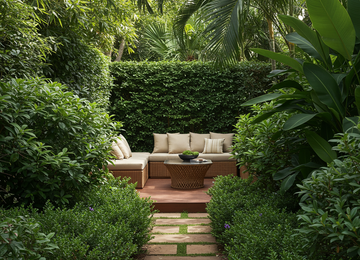
| Screening and hedging | Blocks a new two-storey development next door - the single biggest driver |
| Advanced trees | Buys back years of growing time |
| Australian natives | Low water, bird attracting, suited to local soil |
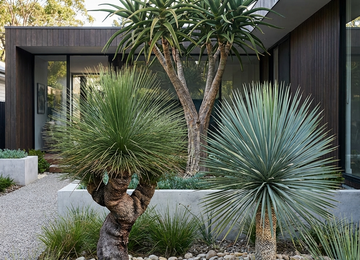
| Architectural succulents | Hot west-facing front gardens with no irrigation |
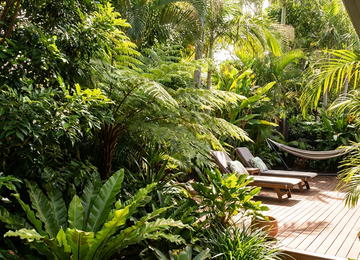
| Strappy foliage plants | Sun or shade, and effectively no maintenance |
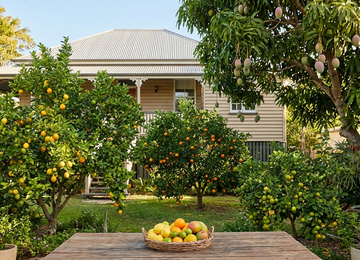
| Fruit trees | Productive gardens and low-chill subtropical varieties |
The perennial best sellers
- Lilly pilly - the default Australian hedge. Choose a named psyllid-resistant cultivar; the cheap unnamed ones are cheap for a reason.
- Lomandra - the most planted native in Australian landscaping. Cut back every two or three years and that is the entire job.
- Murraya - fast fragrant hedging for warm climates.
- Magnolia 'Teddy Bear' - dense four-metre evergreen screen needing almost no pruning.
- Foxtail palm - self-cleaning, salt tolerant, and an Australian native.
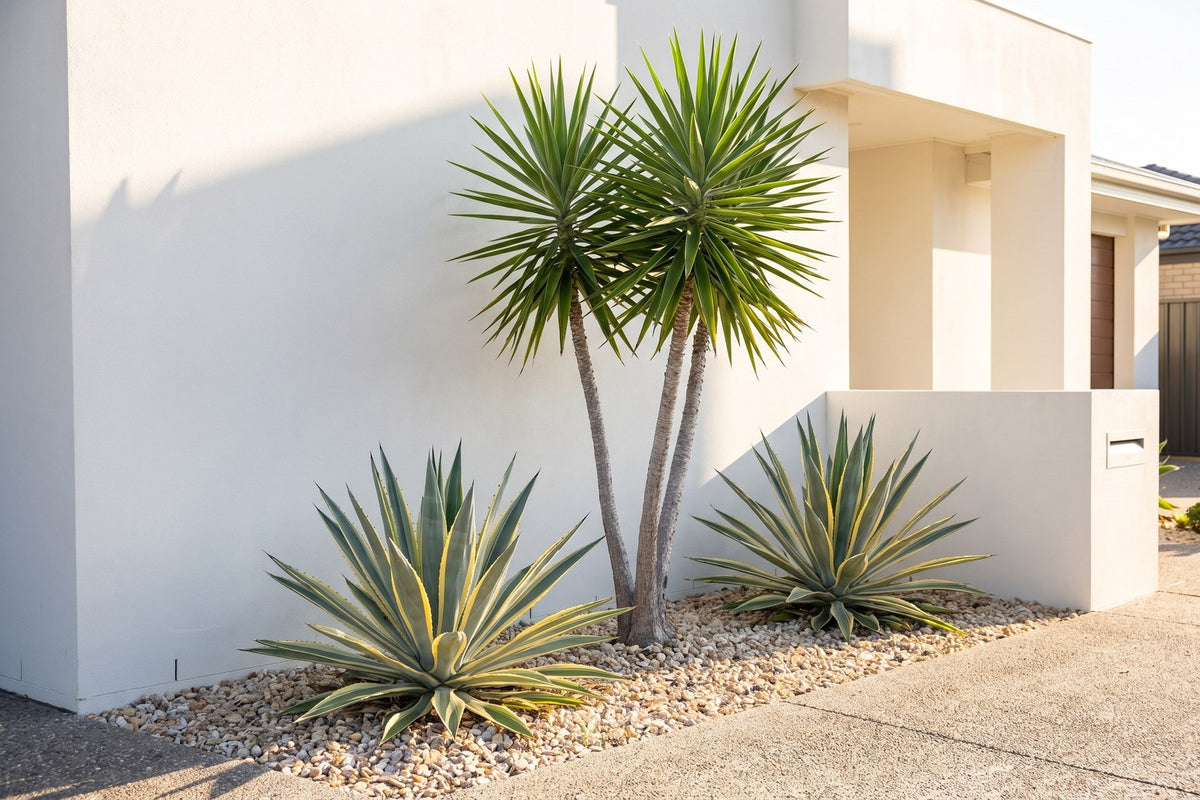
- Agave and yucca - for the hot west-facing positions where everything else fails.
- Crepe myrtle - one of very few trees that performs in every Australian capital.
Buy for your climate, not for the photo
The most common buying mistake we see is choosing a plant that suits a different part of the country. Australia spans tropical to cool temperate, and the same species can be ideal in Brisbane and hopeless in Canberra.
- Frost rules out most tropicals below Sydney.
- Winter chill is needed for deciduous fruit, wisteria and good autumn colour - so those underperform in Brisbane and north.
- Humidity kills many Western Australian natives on the east coast unless grafted.
- Alkaline sandy soil in Perth and coastal Adelaide makes acid-lovers hard work.
Two decisions worth more than the plant choice
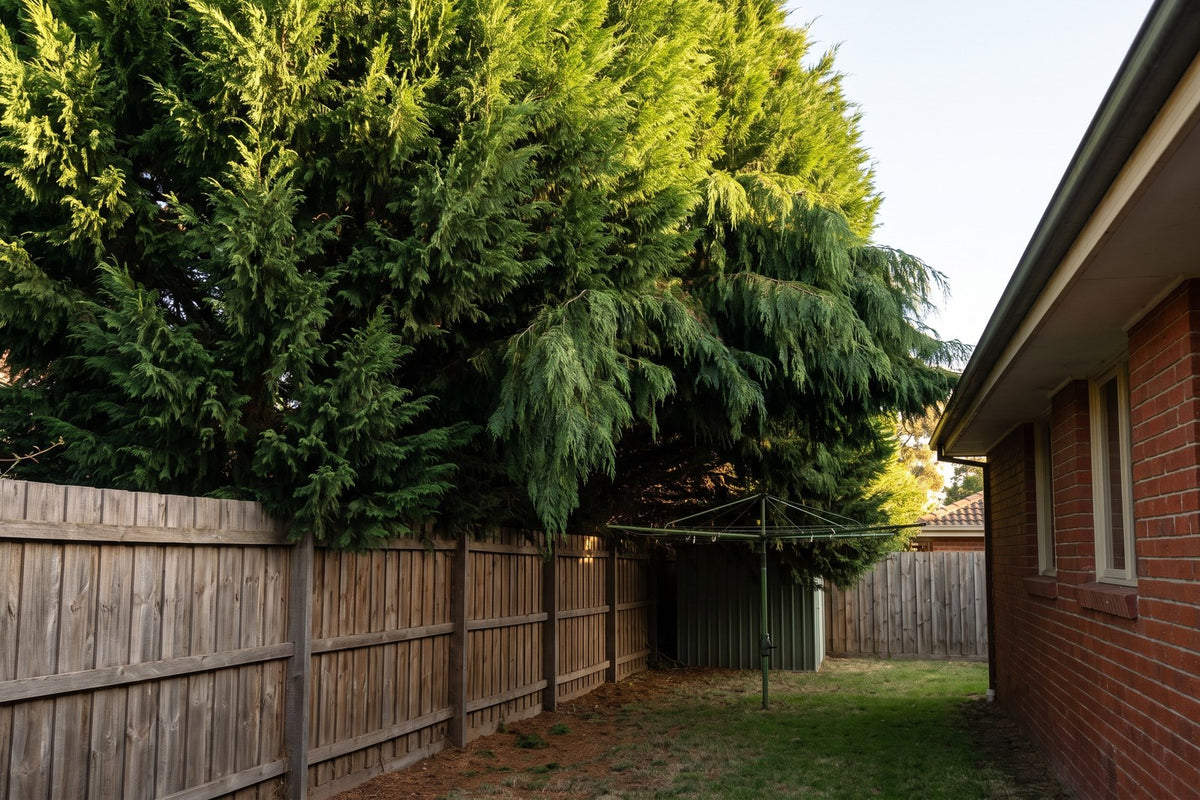
- Buy the right size. Advanced stock buys two to eight years and is worth it where the point is privacy or shade now. For long boundaries in warm climates, tube stock catches up within a couple of seasons and costs a fraction.
- Check mature size before buying. More Australian gardens are ruined by a plant that got too big than by anything else. A cultivar whose natural height matches the job needs a fraction of the maintenance.
Plant in autumn
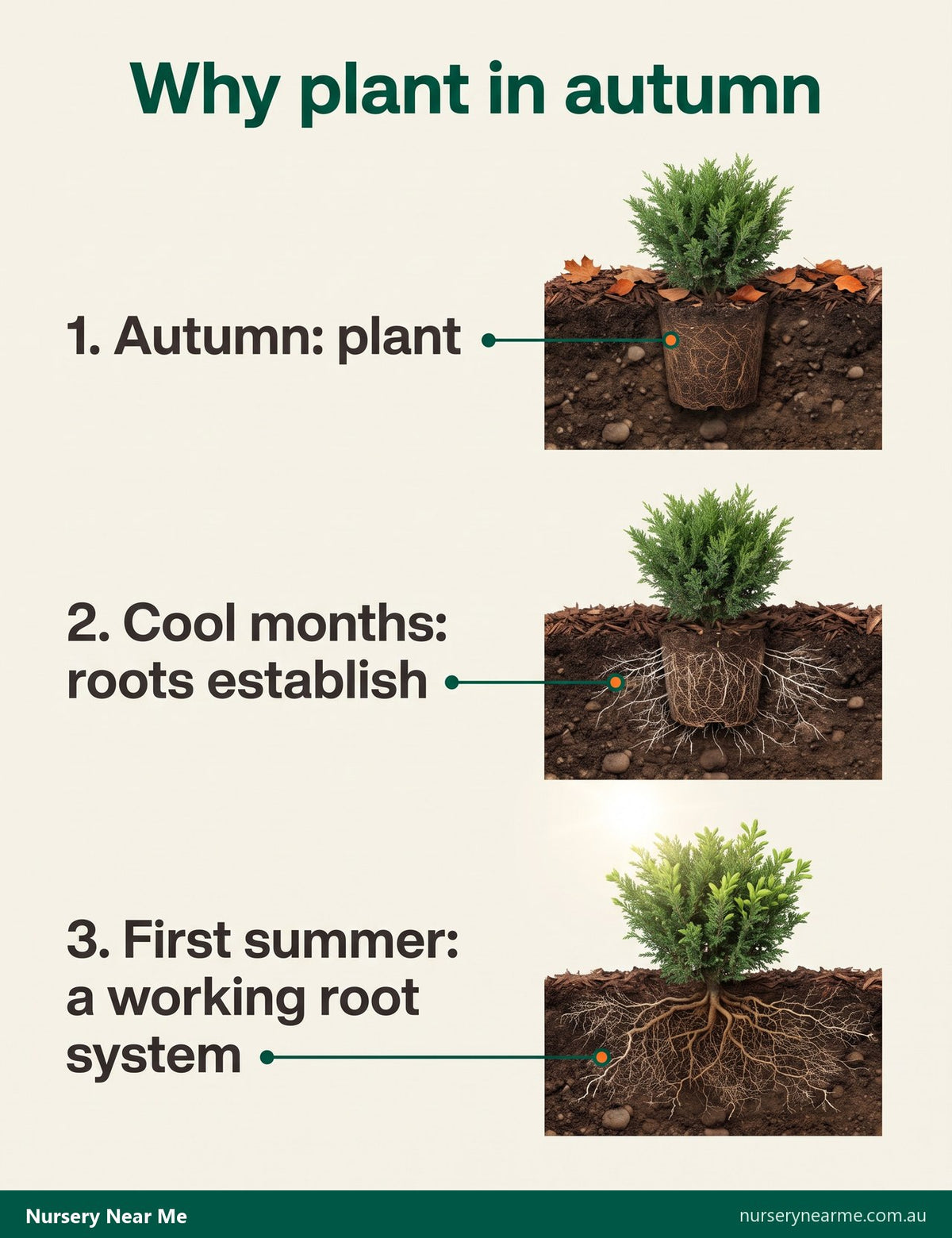
Whatever you buy, autumn is the best planting window across most of Australia. Roots establish through the cool months and the plant faces its first summer with a functioning root system - the single biggest factor in whether it survives.
Related guides
Indoors, the steady sellers are the tough ones, led by the ZZ plant and the snake plant.
Pothos and peace lilies sell for the same reason, and our indoor plant tips for beginners cover their care. Succulents are the outdoor equivalent, and buyers short on space often start with a vertical garden.


