

The choice between native and exotic plants is usually put as good against bad, and it is neither. Some natives are thirsty, some are weeds outside their home range, and most exotics are harmless and useful. This guide explains what the words mean in an Australian garden, where each kind of plant earns its place, and how to choose between them.
What native, local and exotic mean
- Native plants occur naturally somewhere in Australia. That covers rainforest trees from the wet tropics, desert shrubs and alpine herbs, so the word says little about what a plant needs.
- Local or indigenous plants occur naturally in your own district. These are the ones adapted to your soil and rainfall, and the ones your local insects, birds and lizards evolved alongside.
- Exotic plants come from outside Australia. Most garden plants are exotic, from roses and camellias to citrus and lavender.
How they compare

| Natives | Exotics | |
|---|---|---|
| Water | Low once established where the plant matches your climate. Rainforest natives are as thirsty as any exotic. | Ranges from very low (olive, lavender, succulents) to high (hydrangea, lawn). |
| Fertiliser | Little. Banksias, grevilleas and hakeas are harmed by phosphorus and need a low phosphorus native blend or nothing. | Most respond to regular feeding. |
| Wildlife | Local species support the widest range of native insects and birds. | Many feed bees and nectar birds, but fewer native insects can use them. |
| Pruning | Most shrubs need a light trim after flowering to stay dense, and some are short lived. | Varies. Clipped hedges and roses need the most. |
| Weed risk | Real outside the plant's natural range. | Real for a minority. Most are well behaved. |
What natives do best
A native matched to your conditions needs very little once it is through its first two summers: no feeding, little water, and it flowers when local birds need it. Our list of top bird-attracting native plants shows which species do the most work, and our step by step guide to the low-maintenance native garden turns that into a planting plan.
The simplest first step is to replace some lawn with native plants. Some of the most striking natives are barely seen in cultivation, as our guide to rare Australian native plants shows.
Where natives catch people out
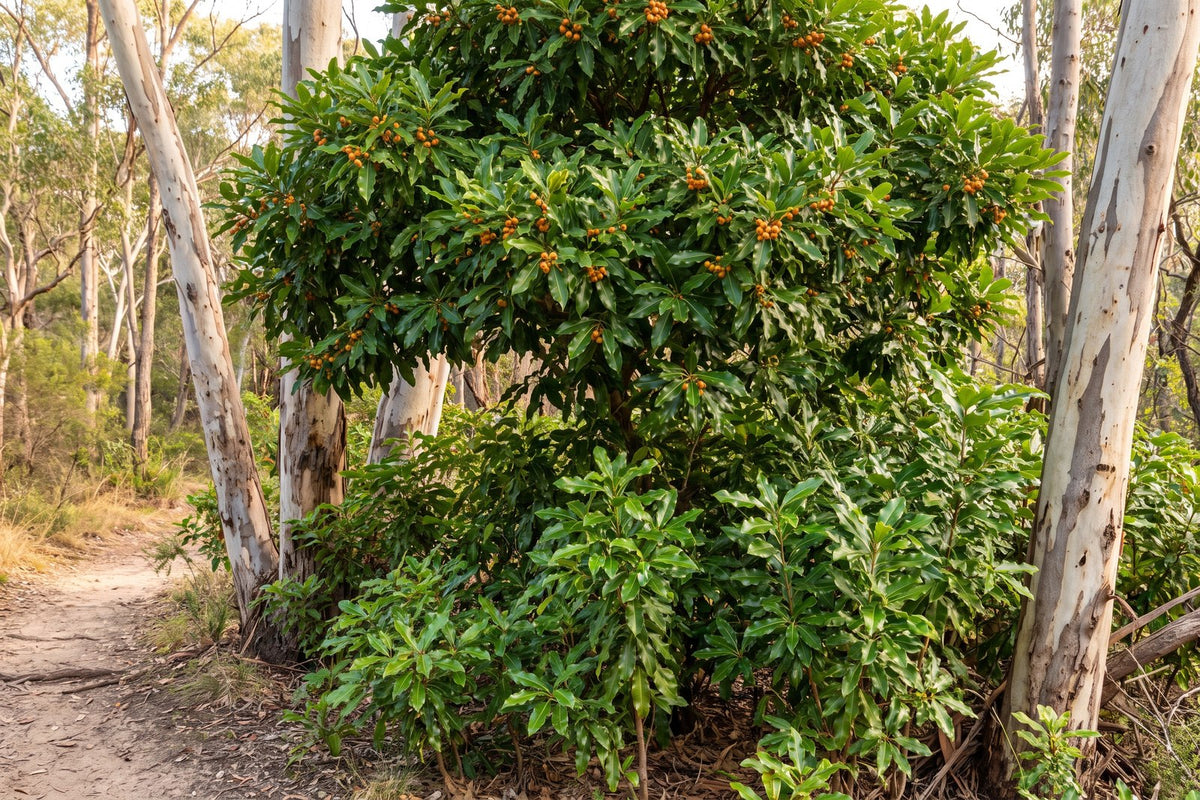
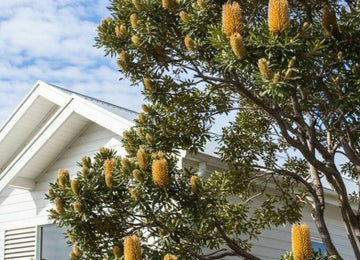
- Native is not the same as local. Many Western Australian natives struggle in the humid summers of the east coast unless they are grafted, and a rainforest native will sulk in a dry inland garden.
- Some natives are weeds. Cootamundra wattle and sweet pittosporum are both Australian natives and both serious environmental weeds outside their natural range.
- Low maintenance is not no maintenance. Unpruned native shrubs go leggy, and ordinary fertiliser can kill the phosphorus sensitive ones.
What exotics do best
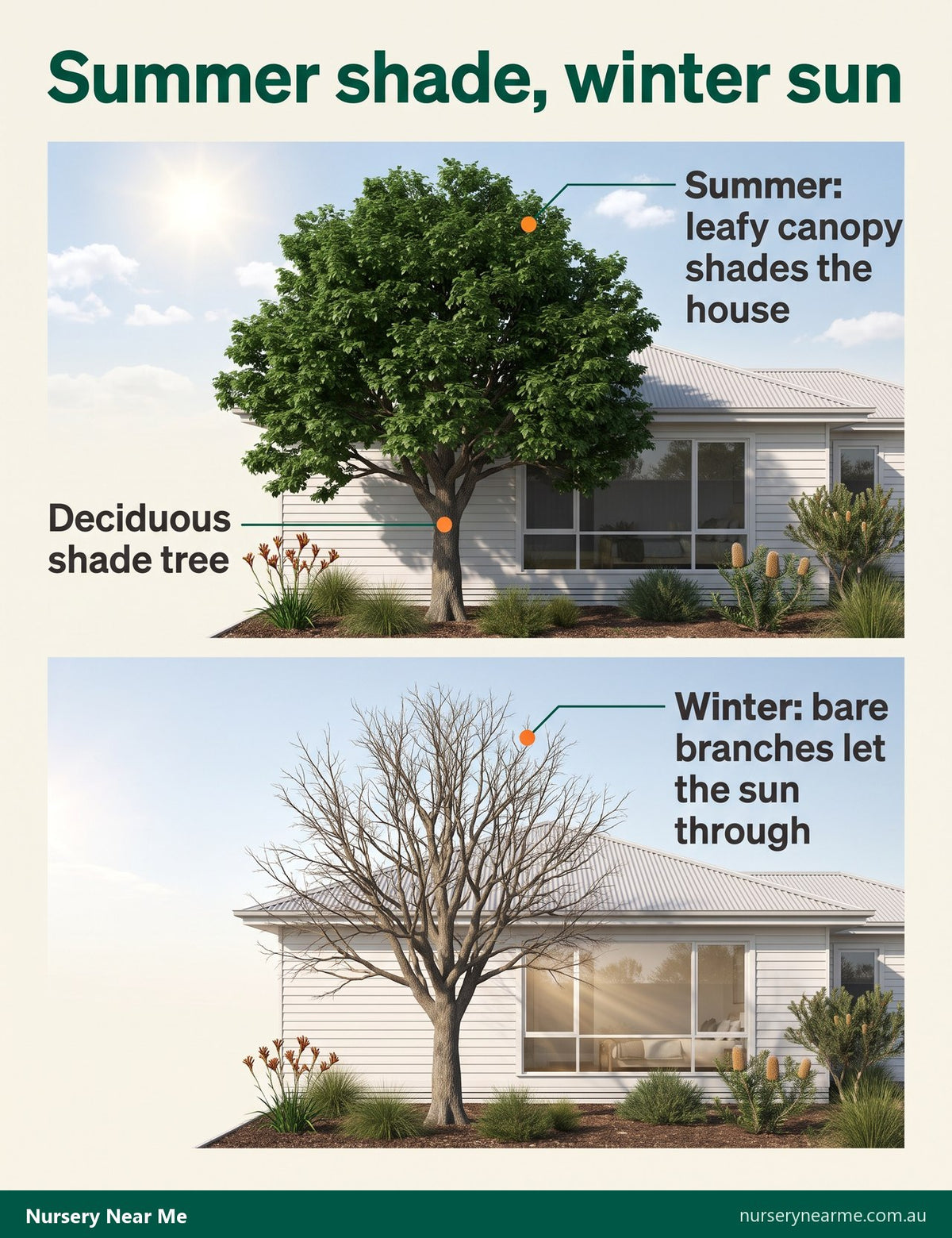
Exotics fill jobs that few natives can. Deciduous trees shade a house in summer and let the winter sun through. Fruit trees, herbs and vegetables are nearly all exotic. Camellias, gardenias and roses give flower forms and scents that natives do not, and box and murraya clip into formal hedges.
The risk is the minority that escape. Most of Australia's environmental weeds arrived as garden ornamentals, a process we cover in more depth in how invasive plant species affect ecosystems. Check your state or council weed list before planting anything vigorous near bushland, and avoid plants that seed freely or spread by runners.
How to choose
- Start with the conditions: sun, soil, rainfall and frost. A plant that suits them will do well whatever its origin.
- Use local natives for the backbone of the garden where you can, especially near bushland.
- Add exotics where they do a job, such as summer shade, fruit, a formal hedge or winter flowers.
- Keep phosphorus sensitive natives in their own bed, away from lawn food and general fertiliser.
- Rule out anything on your local weed list, native or exotic.
Common questions
Do native plants need less water?
Only when they suit your climate. A plant local to your district will usually live on rainfall once established. A native from a wetter region will not.
Are exotic plants bad for the environment?
Most are not. The problem is the small share that spread into bushland, so the test is a plant's weed status in your region, not where it comes from.
Can I mix natives and exotics in one garden?
Yes. Group plants by their water and fertiliser needs, not by origin, and keep the phosphorus sensitive natives together.
Ready to plant?
Browse our Australian native shrubs and native trees for the locals, or the ornamental plants collection if you want something nobody else on the street is growing.
Curious which natives the trade grows most? HortOS lists the most grown native plants in Australia, state by state, compiled from the published availability of wholesale growers.
Planting for wildlife as well? The koala food trees guide covers the eucalypts koalas eat, region by region.
For a garden that has to sit in a bushfire zone, the bushfire-wise planting guide explains the design rules the fire agencies publish and which plants appear on their lists.
Native plants that also feed the household are covered in our bush tucker guide, from lemon myrtle and midyim to the trees that need an acreage block.


