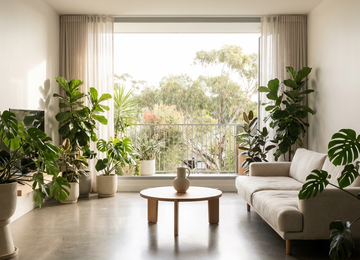


Few plant families work as hard as the figs. One branch of the family rules Australian living rooms, another covers fences in emerald green, and a third fills fruit bowls every February. The care differs by type, so this guide covers each of the figs you are most likely to grow.
Quick facts
| Botanical name | Ficus species |
| Types | Indoor foliage, climbing, shade trees and edible figs |
| Position | Bright light indoors; full sun for fruiting and garden types |
| Soil | Quality free draining mix |
| Growth rate | Moderate to fast |
| Climate | Indoor anywhere; garden figs suit most frost light regions |
Indoor figs
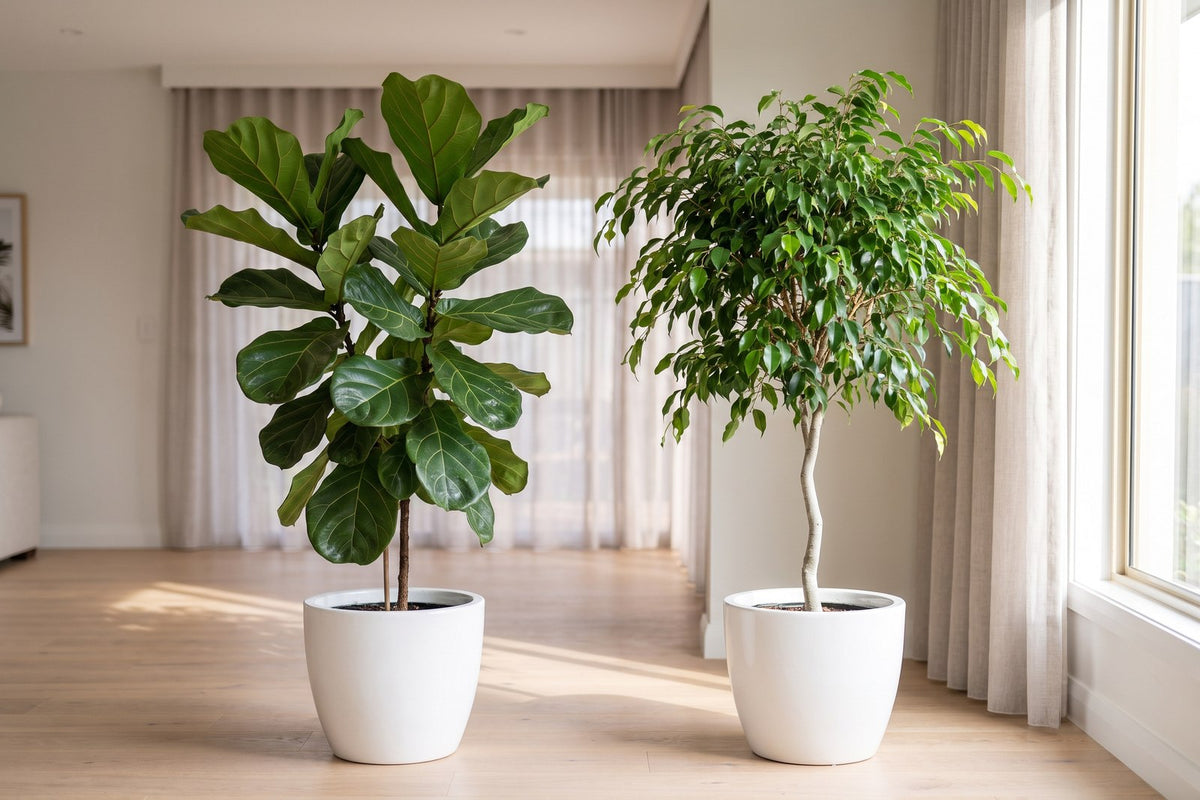
The Fiddle Leaf Fig from $22.95 remains the most wanted indoor plant in the country. Give it bright indirect light near a window, water only when the top 5cm of mix dries, and wipe those violin leaves monthly so they can breathe. Rotate a quarter turn each watering for even growth. The Weeping Fig is the classic indoor tree, elegant and forgiving, though it drops leaves in protest whenever it is moved; pick its spot and leave it there.
Climbing fig for walls and fences
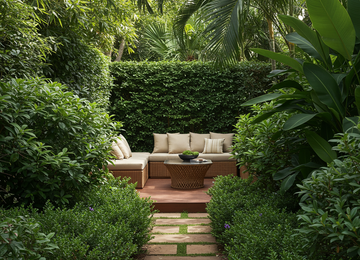
Climbing Fig (Ficus pumila) from $15.95 is the secret behind those velvet green walls in designer courtyards. It self clings to masonry with juvenile leaves that form a flat carpet. Trim twice a year to keep the fine texture and it is the lowest maintenance green wall available.
Edible figs
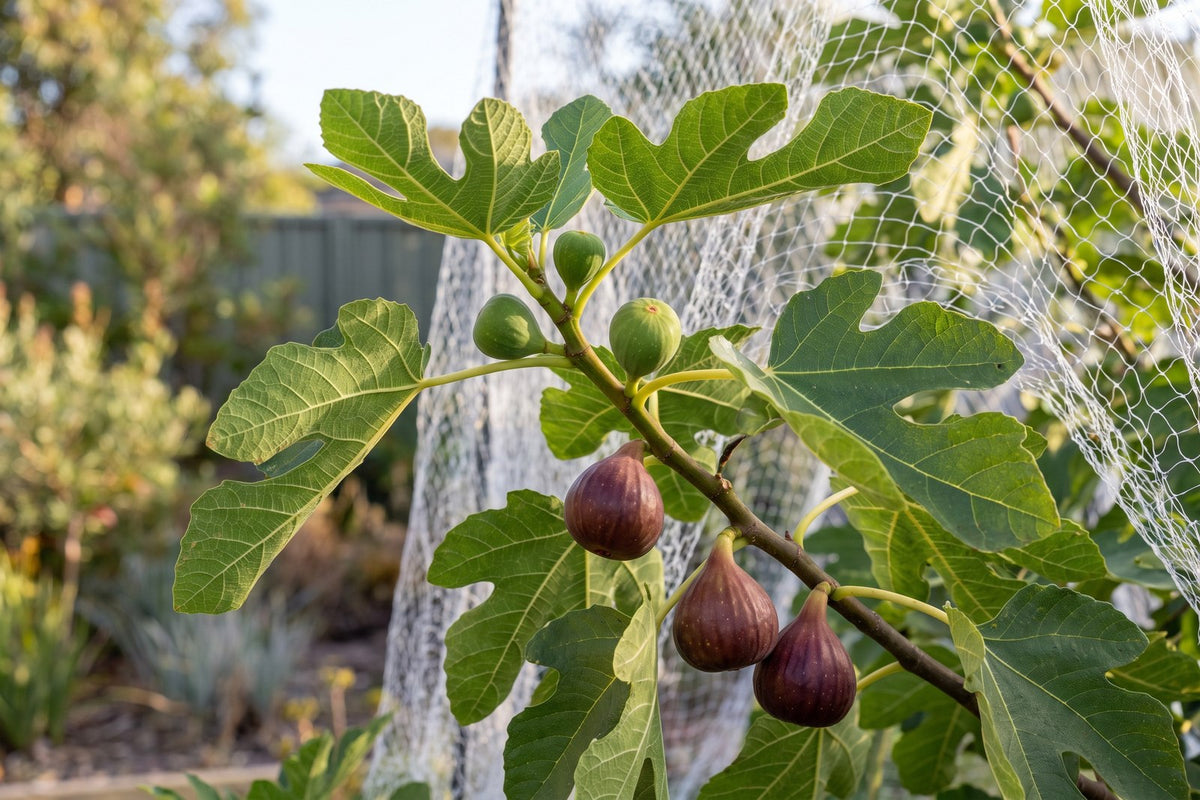
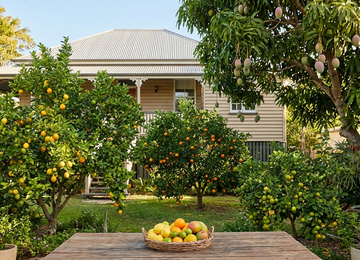
Brown Turkey is the reliable backyard fig for Australian conditions, producing sweet mahogany fruit in late summer, often with a bonus early crop. Figs fruit on wood they grow the same season, so even hard pruned trees crop. Full sun, free drainage, and slightly lean soil produce the sweetest figs; overfed trees grow leaves instead. Net when fruit colours, because every bird in the postcode knows your ripening date.
Garden and shade ficus
Small Leaved Fig and Emerald Fig grow into handsome dense canopy trees for larger blocks and acreage. Plant these serious trees at least 8 to 10m from structures, drains and pools, as mature fig roots are powerful. For small gardens, keep ficus in pots where they are perfectly behaved.
Common problems
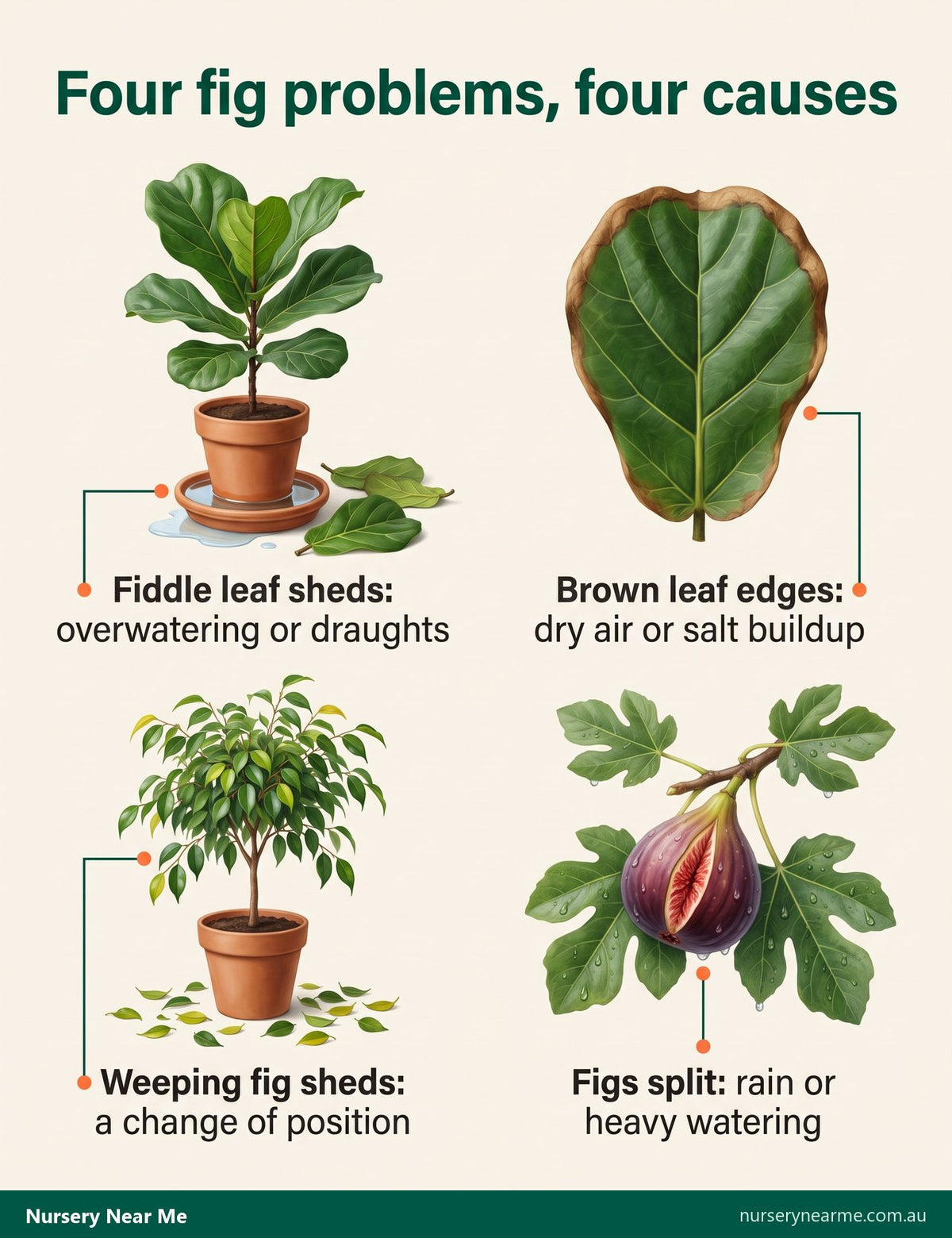
Fiddle leaf dropping leaves: Almost always overwatering or a draughty position. Let the mix dry further between drinks and keep it away from air conditioning.
Brown leaf edges indoors: Dry air or salt buildup. Flush the pot in the shower seasonally.
Weeping fig leaf drop: A response to change. Stable light, stable spot, and it regrows within weeks.
Figs splitting: Rain or heavy watering at ripening. Ease off water as fruit colours.
Frequently asked questions
How much light does a fiddle leaf fig need?
Bright indirect light with a little gentle morning sun is ideal. A dim corner produces a sparse, leaning plant.
Will climbing fig damage my wall?
On sound masonry it is generally safe and removable with effort. Avoid it on timber cladding or damaged render.
Do I need two fig trees for fruit?
No. Brown Turkey is self fertile; one tree crops alone.
Can edible figs grow in pots?
Very well. Root restriction actually encourages fruiting. Use a half wine barrel sized pot in full sun.
Ready to plant?
Browse our indoor plant collection for fiddle leafs and weeping figs, our fruit trees for edible figs, and climbers for green wall projects.
Backyard hens change the plant list: the chicken-safe garden plants guide sets out what to grow around a run and what to keep out of reach.


