What plants are toxic to dogs and safe alternatives
Many pet owners face the heart-wrenching reality of discovering that a beloved houseplant is toxic to their dog, leading to distress or even an emergency trip to the vet. Our list of the 10 best pet friendly plants for your home is a good place to start replacing anything risky.
Imagine their relief upon finding safe alternatives.
By choosing dog-friendly plants, they can ensure a beautiful home while safeguarding their furry friends’ health and happiness.
1. Common Toxic Plants for Dogs
Many plants, although captivating and commonly household, can pose significant threats to dogs' health, causing various ailments ranging from mild discomfort to severe poisoning.
Owners must familiarise themselves with toxic plants, such as azaleas, sago palms, and oleanders, to prevent accidental ingestion. These plants can lead to symptoms like vomiting, diarrhoea, and organ failure.
Avoiding "toxic" and "non-toxic" mix-ups is crucial in maintaining a pet’s well-being.
1.1. Lilies
Lilies are highly toxic to dogs, causing vomiting, lethargy, and sometimes fatal kidney failure if ingested.
Even small portions of lily leaves can be life-threatening to dogs, demanding immediate veterinary intervention.
Dog owners should be vigilant about removing all varieties of lilies from their homes and gardens. These beautiful yet dangerous blooms pose significant risks to their beloved pets' health and well-being.
Safer alternatives to lilies include pet-friendly plants like African violets and orchids, both providing aesthetic appeal without endangering furry friends.
1.2. Azaleas
Azaleas pose a significant danger to dogs.
Consumption of any part of the azalea plant can lead to severe toxicity. The toxic component, grayanotoxin, disrupts normal cardiac function, causing symptoms such as vomiting, drooling, and even cardiac arrest. Remarkably, ingestion of just a few leaves can precipitate these life-threatening conditions.
Even a small amount can be extremely harmful.
Dog owners with azaleas in their gardens should act swiftly to remove these plants to eliminate the risk. When considering alternatives, it's essential to select non-toxic, dog-friendly plants to ensure a safe environment. If you decide to keep azaleas in a fenced bed the dog cannot reach, our azalea care guide covers siting and soil.
For a vibrant yet safe garden, consider planting marigolds, sunflowers, or snapdragons. These wonderful alternatives not only add a splash of colour but also maintain the well-being of our four-legged companions. Gardening practices that prioritise pet safety are crucial for harmonious coexistence.
1.3. Sago Palms
Sago palms are highly toxic to dogs, containing a toxin known as cycasin, which can cause severe liver damage and even death.
These popular ornamental plants are dangerous in all parts but particularly in their seeds. Upon ingestion, a dog may exhibit symptoms such as vomiting, diarrhoea, seizures, and even liver failure. The risk associated with sago palms is substantial, making it imperative for dog owners to remove or avoid planting them.
Fortunately, there are plenty of safe alternatives to consider. In substituting sago palms, one might look towards using bamboo palms, which are non-toxic and add a lush, tropical vibe to the garden.
By choosing dog-friendly plants, they can ensure a space that balances aesthetic appeal and safety. Additionally, planting species like parlour palms or spider plants not only beautifies the surroundings but also offers peace of mind. Thoughtful plant selection can truly create a harmonious and pet-safe garden environment. Australian natives fill the same role beautifully, and our step-by-step native garden guide shows how to build a whole planting scheme around them.
2. Symptoms of Plant Toxicity in Dogs
Noticing a dog's immediate reaction to toxic plants can significantly enhance their caretaker's ability to respond appropriately.
If a dog ingests toxic plants, symptoms may manifest as vomiting, diarrhoea, drooling, or abdominal pain. In severe cases, they might show signs of lethargy, seizures, or even organ failure.
The terms "non-toxic" and "toxic" are foundational in identifying a garden's potential hazards.
2.1. Gastrointestinal Issues
Certain plants, when ingested by dogs, can precipitate significant gastrointestinal issues such as vomiting and diarrhoea.
Philodendrons and pothos are common culprits, causing these distressing symptoms in dogs.
A poignant alternative to these plants is the cast iron plant, which is both hardy and non-toxic to pets.
Proactively selecting non-toxic plant species like the areca palm or Boston fern can dramatically mitigate the risk of gastrointestinal troubles in dogs. By incorporating these safe alternatives, they can cultivate a flourishing garden that upholds the well-being of their canine companions.
2.2. Neurological Symptoms
Certain toxic plants can trigger severe neurological symptoms in dogs, including tremors, a change in behaviour, or even seizures.
Oleander and Datura are notorious for their neurotoxic properties.
Intriguingly, even small quantities of these plants can induce substantial neurological distress.
Remarkably, they can also affect the heart and other organ systems, magnifying the potential harm.
Fortunately, there are many appealing, pet-friendly alternatives that pose no such risks, such as spider plants or marantas.
By prioritising these safe options, one can maintain a beautiful garden without compromising a dog’s neurological health.
2.3. Respiratory Problems
Respiratory problems in dogs can arise from exposure to certain toxic plants. These issues may manifest quickly, leading to substantial distress for the animal.
- Lily: Consumption can cause respiratory distress.
- Azalea: Ingestion can lead to difficulty breathing and respiratory failure.
- Oleander: Even small amounts can affect respiration and overall oxygenation.
- Yew: Presence of alkaloids can induce breathing difficulties.
It's critical to identify and eliminate these hazardous plants from environments frequented by dogs.
For those seeking safe alternatives, consider pet-friendly species like rosemary or basil, which pose no respiratory risks.
3. Identifying Toxic Plants in Your Garden
When considering the safety of dogs, gardeners should be meticulous in identifying potentially harmful plants. Several common garden plants can pose significant risks to a dog's health.
Some toxic plants frequently found in gardens include sago palm and daffodils.
Sago palm, often seen in decorative landscaping, contains cycasin, which is extremely toxic.
Similarly, daffodils, though beautiful, contain lycorine, which can induce serious gastrointestinal distress.
Beyond these, plants like foxglove and hydrangeas should also be avoided, due to their toxic properties that can lead to cardiac and neurological issues.
Fortunately, many attractive, non-toxic alternatives exist, ensuring a safe and vibrant garden environment for dogs. Planting for wildlife at the same time doubles the benefit, as our guide to the top bird attracting native plants explains.
4. What Plants are Toxic to Dogs: Indoors vs Outdoors
Within the home, common houseplants like philodendrons and peace lilies can pose serious risks to pets, causing nausea, vomiting, and other distressing symptoms. It's essential to avoid these.
Outdoors, toxic plants such as azaleas and oleanders are widespread, posing significant threats. Being vigilant and selecting safer substitutes ensures a secure environment for cherished pets.
4.1. Houseplants
Many common houseplants can be dangerous for dogs, leading to serious health issues.
For instance, the ubiquitous philodendron, although a popular decorative choice, can cause significant harm. Ingestion may lead to oral irritation, excessive drooling, and gastrointestinal upset. Similarly, peace lilies contain oxalates that can induce severe reactions in pets.
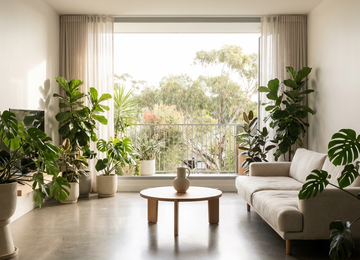
Alternatively, one can consider safer houseplant options like the spider plant. This resilient plant is not only non-toxic but also helps improve indoor air quality, providing a healthier environment for both people and pets.
Other safe options include the Boston fern and the areca palm. These plants add both aesthetic appeal and peace of mind, knowing they won't harm curious pets. Maintaining a pet-safe home can thus be both beautiful and conducive to animal well-being, promoting harmony between household greenery and four-legged companions.
4.2. Garden Plants
In the great outdoors, certain plants may pose significant health risks to dogs. It is essential to identify these potentially hazardous garden inhabitants to prevent any accidental poisoning.
Common toxic garden plants include oleander, sago palm, and azaleas.
These plants can cause symptoms ranging from vomiting to severe heart issues in dogs. As a responsible pet owner, one should explore alternatives such as sunflowers, marigolds, and petunias.
These safer options offer the opportunity to create a vibrant and pet-friendly garden. Researching and substituting toxic plants with such delightful alternatives will ensure both a beautiful and secure landscape. By this thoughtful selection, one invests in "pawsitive" wellbeing for their canine friends.
5. Safe Plant Alternatives for Dogs
For those wishing to cultivate greenery, a plethora of non-toxic options ensures that pets remain safe. Consider plants such as rosemary, basil, and areca palms. These friendly florae not only add aesthetic charm but also foster a safe environment for dogs. Many of these choices double as habitat, which is the idea behind designing a native garden that attracts wildlife.
Another delightful alternative is the Boston Fern or the robust Spider Plant. These are known to be dog-friendly, rendering them excellent choices for pet owners. Additionally, incorporating elements such as violets and snapdragons into the landscape offers the dual benefit of safety and splendour, enhancing the harmonious coexistence of pets and plants.
5.1. Pet-Safe Houseplants
Cultivating a pet-safe home environment is both rewarding and vital for the wellbeing of canine companions.
- Spider Plant: Renowned for its durability and air-purifying attributes.
- Boston Fern: Adds lush greenery without compromising pet safety.
- Areca Palm: An elegant and non-toxic addition to any indoor space.
- Parlour Palm (Chamaedorea elegans): Low maintenance and pet-friendly.
- Basil: A fragrant herb that poses no risk to curious dogs.
Selecting these houseplants ensures that indoor spaces remain both beautiful and safe for pets.
Such choices contribute positively to the harmonious coexistence between flora and fauna.
5.2. Pet-Safe Garden Plants
Creating a garden that is both beautiful and safe for dogs can be a rewarding endeavour.
- Marigold (Calendula spp.): Bright blooms that are non-toxic to dogs.
- Sunflower (Helianthus): Adds vibrant, safe colour to any garden.
- Rosemary (Rosmarinus officinalis): Aromatic and safe for dogs.
- Zinnia (Zinnia elegans): A cheerful and dog-friendly option.
- Petunia (Petunia spp.): Adds bursts of colour without risk to pets.
Choosing these pet-safe garden plants fosters an environment where dogs can roam freely.
Embracing such plants ensures both a visually appealing and safe garden space.
These selections encourage a harmonious balance between aesthetics and pet safety.
6. Tips for Creating a Dog-Friendly Garden
Creating a dog-friendly garden involves meticulous planning, ensuring safety, and a haven for the inquisitive canine companion.
Consider fences or natural barriers to restrict access to hazardous areas.
Utilise raised garden beds to protect more delicate plants.
Opt for durable ground covers like clover or grass blends that can withstand dog traffic.
Alternatively, establish designated pathways with materials such as mulch or gravel.
By integrating these strategies, one maximises the garden’s beauty while catering to a dog’s playful nature.
Ultimately, the focus should be on balance, weaving pet safety into the garden's design.
What Australian wildlife actually needs
A wildlife garden here is not the same as one in Europe or North America. Our fauna is different, and so are the things that limit it - the biggest of which is usually not food but shelter and safe water.
| Wildlife | What brings them in |
|---|---|
| Honeyeaters, wattlebirds, lorikeets | Nectar - grevillea, banksia, callistemon, melaleuca |
| Small birds (wrens, finches) | Dense prickly shrubs for shelter from predators |
| Native bees | Open flowers, bare sunny ground, undisturbed stems |
| Blue-tongues and skinks | Rocks, logs, leaf litter, sunny basking spots |
| Frogs | Water with sloping edges, dense marginal planting |
| Possums and gliders | Hollows, mature trees, canopy connectivity |
Shelter matters more than food
Most Australian suburbs have plenty of nectar - largely from grevilleas and bottlebrush in gardens. What they lack is dense low cover, which is why noisy miners and other large aggressive honeyeaters dominate while small birds like fairy-wrens and thornbills disappear.
Noisy miners thrive in open gardens with tall trees and mown grass beneath. They exclude smaller birds aggressively. The single most effective thing you can do for small-bird diversity in an Australian garden is plant dense, prickly, mid-storey shrubs - hakea, bursaria, prickly acacia species and dense grevilleas - that small birds can shelter inside and miners cannot penetrate.
Water, done safely
- Put a stick or rocks in every water container so bees, lizards and small birds can climb out. Drowning in steep-sided bowls is common.
- Elevate bird baths away from cover that cats can hide in.
- Change the water regularly - stagnant water breeds mosquitoes and spreads disease between birds.
- Give ponds a shallow sloping edge so frogs and lizards can get in and out.
- In northern Australia, keep pet bowls raised and empty at night - cane toads are drawn to them.
Things that undo the rest
- Snail baits containing metaldehyde kill lizards, birds and pets. Use iron-EDTA pellets instead.
- Broad-spectrum insecticides remove the insects that small birds, lizards and frogs eat.
- Fine or loose netting traps and kills birds, possums and flying foxes. Use wildlife-safe netting with a mesh under 5 mm, pulled taut.
- Barbed wire and unmarked windows injure and kill flying wildlife.
- Free-roaming cats are the single largest garden-scale threat to Australian native wildlife. Containment at night, or fully, makes an enormous difference.
- Feeding birds bread or mince causes serious nutritional disease. Plant nectar instead of putting food out.
Leave some mess
Leaf litter, fallen logs, rocks and hollow stems are habitat, not untidiness. A garden swept clean of every leaf supports very little. Leave a corner unmanaged, keep a log pile, let seed heads stand through winter, and resist the urge to tidy the whole garden at once - stagger it so there is always shelter somewhere.
Regional notes
- Brisbane and subtropical Queensland - lorikeets, possums and blue-tongues are the common visitors; watch for cane toads around water.
- Sydney and coastal NSW - dense mid-storey planting is especially valuable given how miner-dominated many suburbs are.
- Melbourne and Adelaide - winter-flowering natives matter most, when little else is available.
- Perth - Western Australian species suit local wildlife and local soil; eastern grevilleas often struggle.
- Rural and bush-adjacent blocks - keep dense groundcover away from doorways and paths, since it provides snake harbour.
Ready to plant?
A garden can be lush and completely safe for the animals that share it, provided the toxic species are swapped out rather than fenced off. Browse our range of plants safe for pets, or build the backbone of the garden from Australian natives that feed local birds at the same time.