

Gardening advice travels well and ages badly. A lot of what is repeated in Australian gardens came from the northern hemisphere, from before soil science, or from a plant-shop sales pitch, and some of it kills plants. This guide takes the common myths one at a time, says what the evidence shows, and finishes with the ones that specifically mislead gardeners here.
Common gardening myths
Myth: adding sand to clay soil improves drainage
It does the opposite. Clay particles fill the gaps between sand grains and the result sets like weak concrete. Clay is improved with organic matter and, if it is sodic, gypsum; it is never improved with sand. Knowing what you are working with helps, and our guide to soil types explained shows how to identify yours in a minute with a jar of water.
Myth: watering plants in the sun scorches the leaves
Water droplets do not focus the sun enough to burn foliage; the idea has been tested and fails. Midday watering is wasteful because much of it evaporates, and wetting leaves in the evening invites fungal disease, which is why morning is best. Our guide to understanding leaf burn works through what genuinely scorches foliage, and what to do about it.
Myth: planting by the moon
There is no evidence that the moon's phase affects germination or growth. Plant when the soil, the season and your calendar allow.
Myth: talking to plants makes them grow
Plants respond to light, water, nutrients and temperature. Any benefit from talking to them comes from the fact that a gardener who talks to a plant has probably also noticed it needs water.
Myth: organic pesticides are harmless
Pyrethrum, copper sprays and some oils are organic and still kill bees, fish or beneficial insects, and copper accumulates in soil. Use the least toxic option that works, spray in the evening when bees have gone, and read the label as carefully as you would for a synthetic product.
Myth: marigolds keep every pest away
Marigolds suppress some root-knot nematodes when grown as a dense crop and dug in, and that is about the extent of it; they do not create a pest-free zone around a bed. Several plants do earn their reputation here, and our roundup of pest-repelling plants for Australian gardens separates the ones with evidence behind them from the ones without. Companion planting genuinely does deter some pests and improve growth through symbiotic relationships, and our guide to shrubs for companion planting sets out combinations that work in Australian conditions.
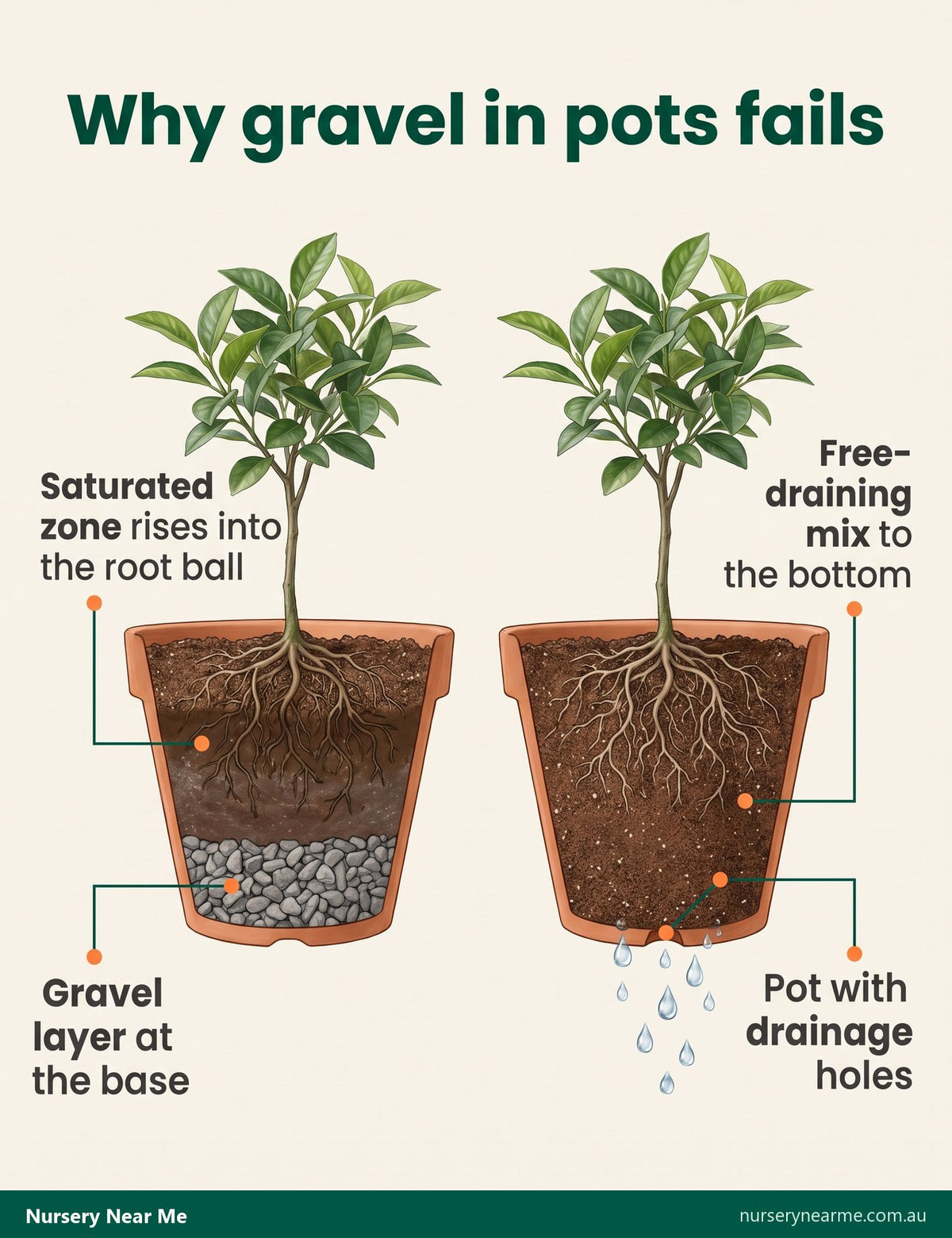
Myth: a drowned plant can be rescued with sand or gravel
Adding coarse material to a pot or a hole does not improve drainage; a layer of gravel at the base of a pot raises the saturated zone into the root ball. A waterlogged plant needs the water to drain away, which means a free-draining mix in a pot with holes, or a raised bed in the ground, and it needs the watering to stop.
Myth: coffee grounds suit all plants, or acidify the soil
Used coffee grounds are close to neutral; the acid goes into the cup. They are a mild, slow nitrogen source and a good compost ingredient, and composted grounds do suit acid-loving plants such as rhododendrons, azaleas and the blueberries in our fruit trees range, but as organic matter rather than as an acidifier. They should never go on Australian natives, and spread thickly they crust the soil. Our closer look at the benefits of coffee grounds in plants covers application rates.
Myths that specifically mislead Australian gardeners
Most gardening advice in circulation was written for the northern hemisphere, and several widely repeated pieces of it are actively wrong here.
| Myth | Reality in Australia |
|---|---|
| "South-facing walls are the sunny ones" | Reversed here. North is sunniest, south is shadiest |
| "Feed natives to help them thrive" | Phosphorus kills Proteaceae. Use low-phosphorus native blends |
| "Add gravel to pots for drainage" | Raises the saturated zone. Makes drainage worse |
| "Water in the evening to save water" | Wet foliage overnight invites fungal disease. Water in the morning |
| "Plant in spring" | Autumn is better across most of Australia for anything permanent |
| "Gypsum breaks up all clay" | Only works on sodic clay. Test first |
| "Coffee grounds acidify soil" | Used grounds are close to neutral |
| "Indoor plants purify the air" | Effect is negligible at household densities |
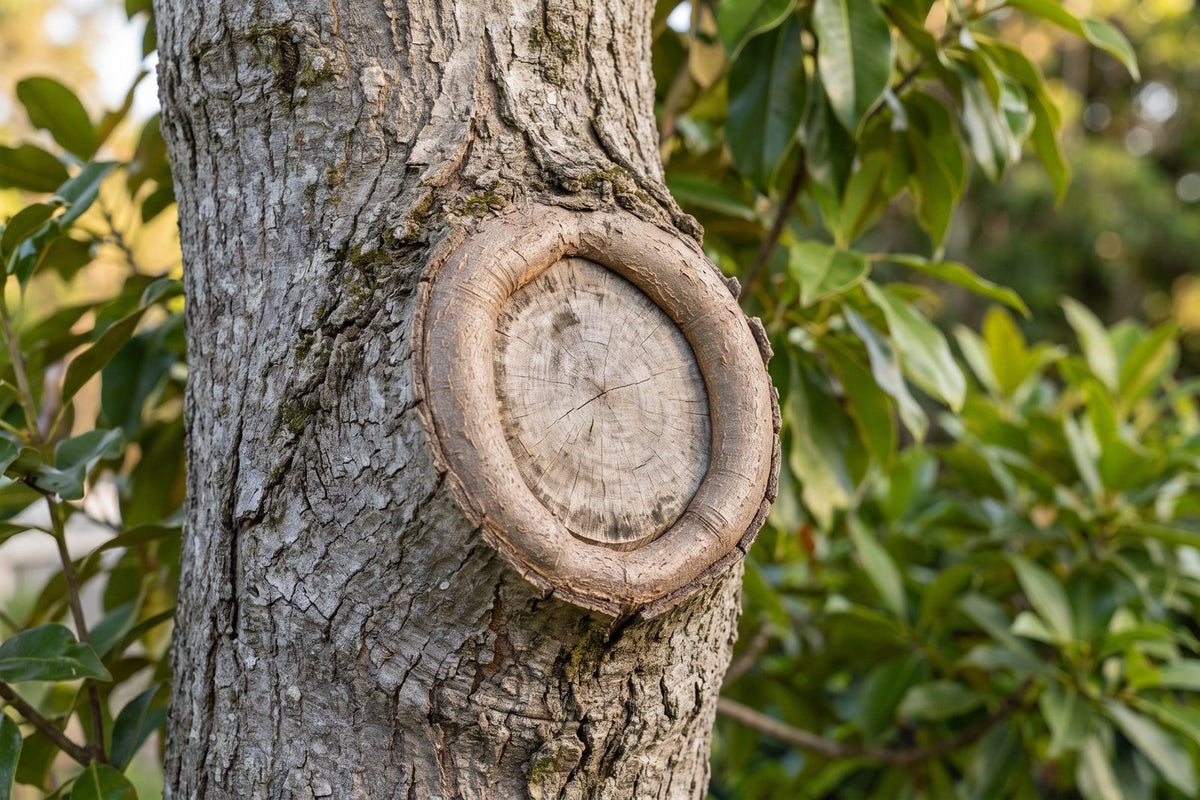
| "Seal pruning cuts with paint" | Traps moisture and pathogens. Leave clean cuts open |
| "Wilting means the plant needs water" | Often heat stress or root rot. Check the soil first |
The phosphorus one matters most
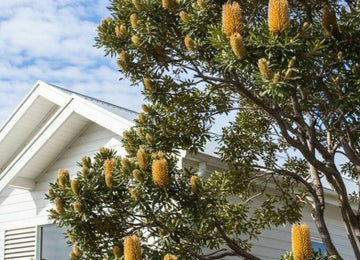
If only one myth gets corrected, make it this. Australian soils are among the oldest and most weathered on earth and are naturally very low in phosphorus. Our native plants evolved accordingly, and the Proteaceae, grevilleas, banksias, hakeas and waratahs, produce specialised cluster roots to extract what little is present. They cannot switch that off when suddenly given plenty. Feeding a grevillea with ordinary garden fertiliser, mushroom compost or fresh manure will damage or kill it. So will lawn fertiliser drifting into a native bed. This single misunderstanding kills more Australian native plants in home gardens than every pest and disease combined.
The autumn planting one saves the most plants
Overseas advice pushes spring because northern winters are harsh enough to kill autumn-planted stock. Across most of Australia the opposite applies. An autumn-planted tree gets the whole cool season to develop roots before facing its first summer; a spring-planted one gets a few weeks. Only genuinely cold districts and frost-tender species are exceptions.
Wilting is not always thirst
Worth its own note because acting on it kills plants. A wilting plant in wet soil has root rot, and watering it more accelerates the problem. A plant wilting in the afternoon and recovering overnight is showing normal heat stress, not thirst; watering at 2pm on a 40 degree day does very little. Always feel the soil 50 millimetres down before watering anything that looks unhappy.
Two that are half true
- "Mulch prevents weeds." Mostly true, and it is the highest-value thing you can do. But fine mulches mat into a water-repellent crust, which is a real problem given how widespread hydrophobic soils already are in Western Australia and South Australia. Use coarse mulch at 75 mm.
- "Natives need no water." Only once established. Every native needs real attention through its first summer, and skipping that year is why so many "low maintenance" native gardens fail.
How to spot a myth
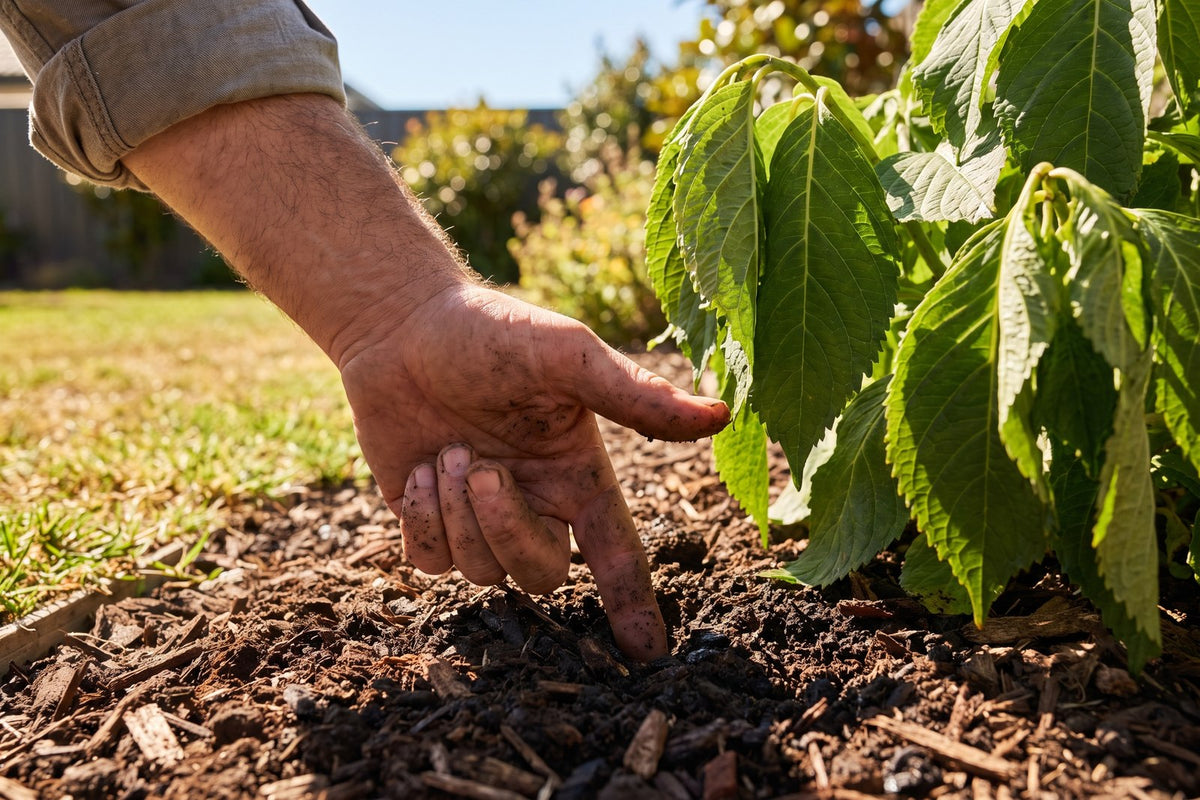
Ask where the advice came from and whether it was written for your climate. Ask whether it has ever been tested, or only repeated. And test it yourself on one plant before applying it to the bed. Most of the practices that survive those three questions are dull: match the plant to the position, water by feel, mulch, and feed only what needs feeding.
Ready to plant?
The most reliable way to sidestep gardening myths is to start with plants suited to your climate and soil. Browse our shrubs collection for the backbone of a bed, and get the growing medium right with our potting mixes, mulches and fertilisers.


