



A plant short of a nutrient tells you which one through its leaves, if you know where to look. The clue that does most of the work is whether the symptom appears on old growth or new, because some nutrients can be moved around the plant and some cannot. This guide reads the main deficiencies from their symptoms, sets out the pattern that Australian soils produce, and lists the problems that mimic a deficiency, which is most of them.
Read where the yellowing appears
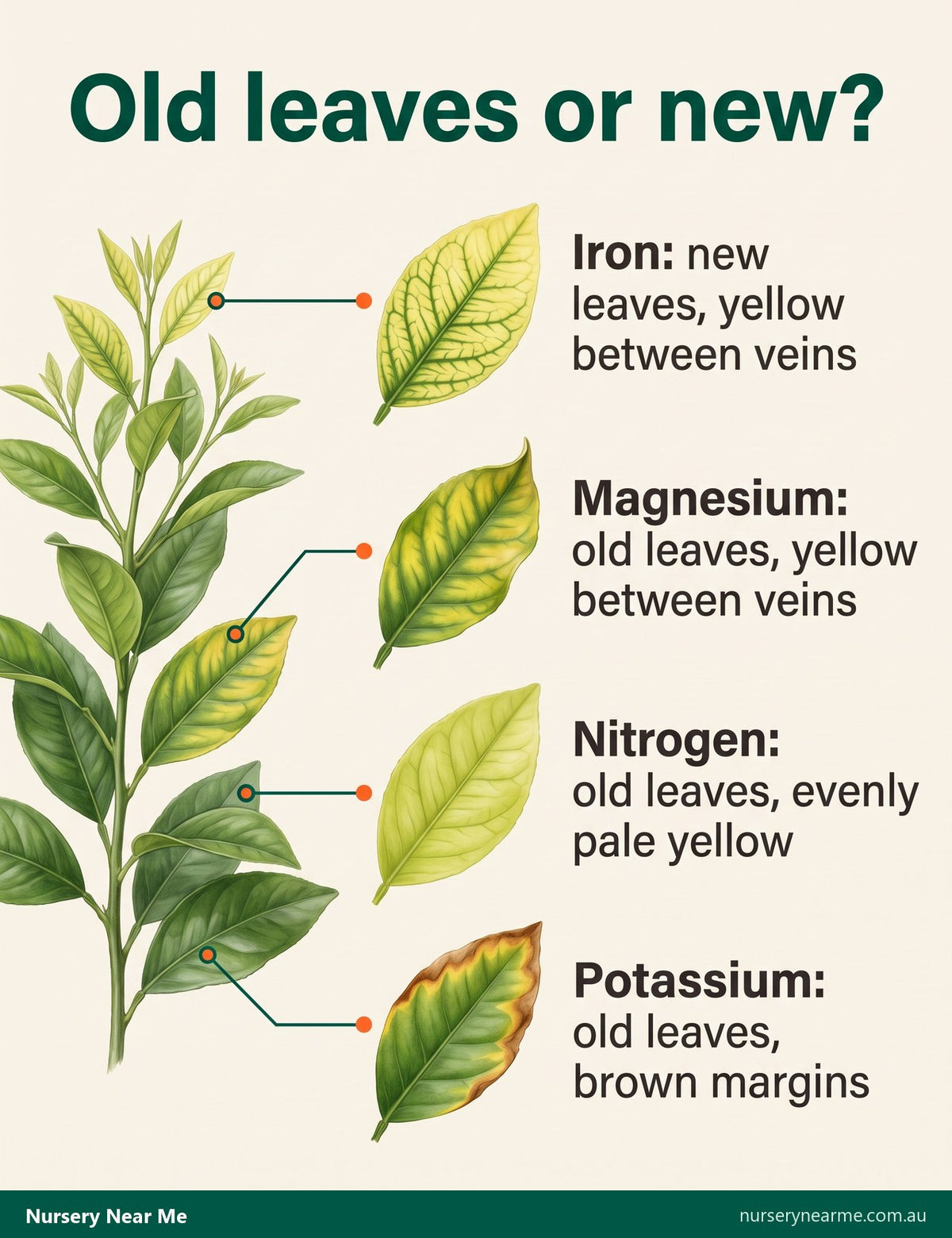
Mobile nutrients are moved from old leaves to new ones when supply is short, so shortages show on old leaves first. Immobile nutrients cannot be moved, so shortages show on new leaves first.
- Yellow between green veins, on NEW growth: iron. Very common in Perth and Adelaide, and anywhere near concrete. Fix with chelated iron, then lower pH over time.
- Yellow between green veins, on OLD growth: magnesium. Common in sandy coastal soils and in palms. Fix with Epsom salts at label rate.
- Uniform pale yellow, OLD leaves first: nitrogen. Common in clipped hedges and after heavy rain, and the plant grows slowly and small.
- Yellow or brown leaf margins, OLD leaves: potassium. Common in palms, citrus and fruiting plants; fruit is small and poorly coloured.
- Uniform pale yellow, NEW growth: sulphur, or, in cool weather, simply cold soil slowing uptake.
The main deficiencies, one by one
Nitrogen
The whole plant pales, oldest leaves first, growth is thin and slow, and a hedge that was green goes lime. It leaches out of sandy soil with every heavy rain. Fix with a balanced fertiliser or a nitrogen-rich organic one such as blood and bone, or compost; for natives, a low-phosphorus native blend only.
Phosphorus
Dark, dull or purple-tinged older leaves, poor root growth and few flowers. Rare in fed garden beds, and in Australia the bigger danger is the opposite (see the phosphorus trap below).
Potassium
Scorched, yellow-then-brown margins on older leaves, weak stems and small, poorly coloured fruit on fruit trees. Sulphate of potash corrects it; so does a fertiliser made for fruit or palms.
Calcium
Distorted or stunted new growth and dead tips, and in fruit the disorders known as blossom end rot in tomatoes and bitter pit in apples. It is usually an uptake problem caused by uneven watering rather than an absence in the soil, so steady moisture fixes more cases than lime does.
Magnesium
Yellowing between the veins on the oldest leaves, which stay green along the midrib, often with the leaf edges curling. Epsom salts dissolved in water correct it quickly.
Iron
New leaves yellow between green veins, and in a bad case come through almost white. The iron is nearly always in the soil but locked up by alkaline conditions; chelated iron gives quick relief and lowering the pH is the lasting answer. Our guide on how to lower soil pH covers the safe methods for acid-loving plants like azaleas, camellias and blueberries.
Zinc
Small, narrow new leaves clustered in rosettes at the tips, with yellow mottling, seen mostly on citrus and stone fruit. A trace-element spray or a citrus fertiliser containing zinc corrects it.
Deficiencies specific to Australian soils

Australian soils are among the oldest and most weathered on earth, and the deficiencies that show up here are not the ones overseas guides emphasise. Knowing the regional pattern narrows the diagnosis quickly.
| Region | Most common deficiencies |
|---|---|
| Coastal Perth and Adelaide | Iron and manganese; alkaline limestone sands lock them up |
| Sandy coastal QLD and NSW | Magnesium and potassium, leached out by rainfall |
| High-rainfall east coast | Nitrogen and sulphur, leached from the profile |
| Everywhere | Phosphorus is naturally low, but do NOT add it to natives |
| Near concrete, brick, paving | Iron lock-out from lime raising local pH |
Palms have their own pattern
Worth singling out because it is so common in Australia. Yellowing on the oldest fronds of a palm, foxtail, golden cane or Bismarck, is almost always magnesium or potassium rather than nitrogen. General garden fertiliser lacks both, which is why a well-fed palm can still look hungry. Use a palm-specific fertiliser, and expect improvement in new fronds rather than recovery of the yellowed ones.
The phosphorus trap
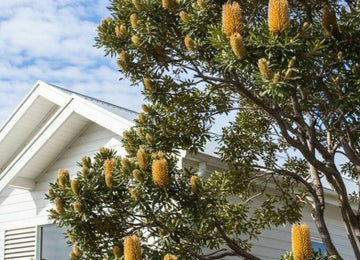
This is where Australian gardening genuinely differs. Our soils are naturally very low in phosphorus, and Australian natives evolved accordingly. The Proteaceae, grevilleas, banksias, hakeas and waratahs, produce specialised cluster roots to extract what little is there, and cannot switch that off when given plenty. A yellowing grevillea is almost never short of phosphorus. Feeding it ordinary garden fertiliser, mushroom compost or fresh manure will damage or kill it. Use a certified low-phosphorus native blend and keep lawn fertiliser away from native beds.
Rule out the impostors first
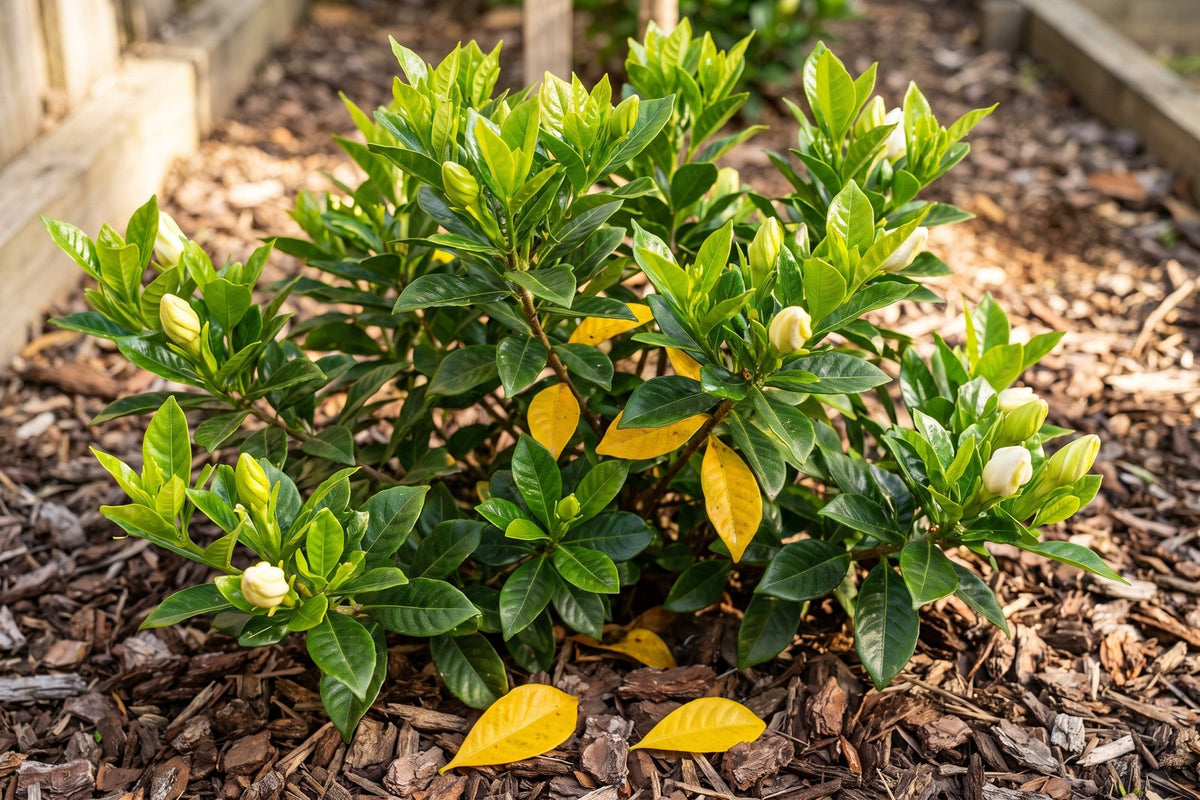
Most yellow leaves in Australian gardens are not nutrient deficiencies at all. Before feeding anything, check:
- Waterlogging. Roots cannot take up nutrients in saturated soil, and the symptoms look identical to deficiency. Feeding makes it worse.
- Soil pH. Most "deficiencies" in Perth and Adelaide are lock-out rather than absence. The nutrient is there; the plant cannot reach it.
- Drought stress. Nutrients move to roots in soil water, so a dry plant is a hungry plant regardless of soil fertility.
- Cold soil. Uptake slows in winter and pale growth in July often corrects itself in spring.
- Normal leaf shed. Many evergreens yellow and drop old leaves in spring as new growth appears.
A five-minute pH test explains more yellow leaves in Australian gardens than any fertiliser purchase. Our guide to why plant leaves turn brown covers watering and root problems that mimic nutrient shortages, and understanding leaf burn explains the sun, wind and salt damage that can look identical to a deficiency at a glance. Pests leave their own marks too: our guide to identifying and treating common plant pests and diseases covers the sap-suckers and fungal problems that produce their own distinctive patterns of damage.
Fixing a deficiency
Once the symptom and the soil test agree, feed for the nutrient that is short rather than reaching for a general fertiliser, and feed in spring or early autumn when the plant can use it. Understanding what the numbers on the bag actually mean makes that far easier, and our explainer on the science behind fertilisers breaks down NPK ratios and release rates in plain terms. Some of the cheapest amendments come from the kitchen, as our list of household items to use as fertiliser shows. It also pays to understand the medium the roots are sitting in, because a deficiency in sandy soil has a different fix to the same deficiency in clay; our guide to soil types and how to identify them covers that distinction. Expect the correction to show in new growth over the following month; leaves already yellowed rarely green up again.
Ready to plant?
Getting the feeding right is far easier when you start with the correct mix and a healthy plant. Browse our potting mixes, mulches and fertilisers and we will deliver everything your garden needs across Australia.


