
Which Lilly Pilly Is Which: The Syzygium Species Explained
Lilly pilly covers at least seven different trees. Which Syzygium makes a hedge, which makes a 10 m screen, which flowers on its trunk, and which ones the psyllid leaves...
Read More

Healthy Plants Guaranteed
Covered by our 30-day healthy plant promise.
Packed for Safe Transit
Prepared carefully so plants arrive ready to plant.
No Minimum Order
Order a single plant or a whole garden. We pack and group live plants so they travel safely.
Order any amount, big or smallAustralia-Wide Plant Delivery
Calculating delivery...
Live plants are packed with care and dispatched as quickly as possible.
Ruby Falls Firecracker Plant - Russelia ‘Ruby Falls’ - Tube is backordered and will ship as soon as it is back in stock.
Not sure where this goes, or how many?
Get your garden designed from your photos: every plant placed, counted and priced at trade, in 2 business days. $99, and it comes back when you order.
Design my gardenNot sure it suits your garden?
Ask a plant expert. We answer by email, usually within one business day.
Can I pick up my order?
No. We operate as an online-only nursery and do not offer customer pickups.
Can I delay delivery?
Yes. Add your preferred delivery timing in the order notes at checkout.
What if I’m not home for delivery?
Your order will be left in a safe location at the delivery address.
What if my plants don’t arrive healthy?
Every order is covered by our 30-Day Satisfaction Guarantee.
A general guide. Conditions vary by region and season.
Plant it with
Chosen by our team for the same bed: an edge, a filler or something that flowers. Pick a size and add them to the same order.
Compare similar plants
Mature sizes are typical in Australian gardens; growth rate and position are from the plant details on each page.
| Plant | Rating | Mature height | Mature width | Growth rate | Position | From |
|---|---|---|---|---|---|---|

Ruby Falls Firecracker PlantThis plantRusselia ‘Ruby Falls’
|
★★★★★(4) | 0.9m | 1.2m | Fast | Full Sun | $10.95 |

Lilly Pilly ResilienceSyzygium australe 'Resilience'
|
★★★★★(162) | 5m | 3m | Moderate, Fast | Full Sun, Partial Shade | $17.95 |

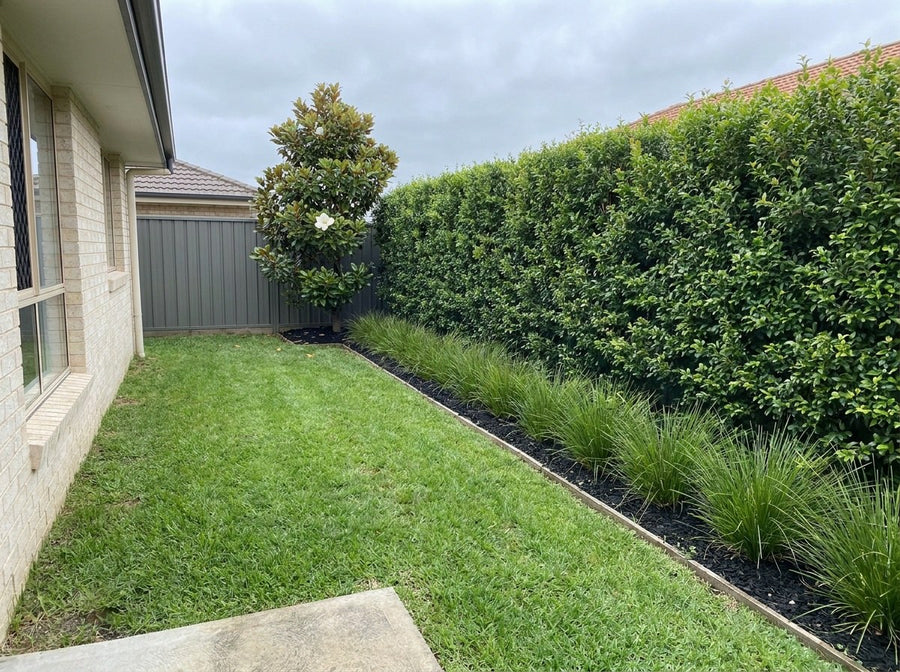
Straight and Narrow™ Lilly PillySyzygium australe 'SAN01' PBR Intended
|
★★★★★(13) | 5m | 1m | Moderate | Partial Shade, Full Sun | $22.95 |

Xanadu PhilodendronPhilodendron xanadu
|
★★★★★(25) | 1m | 1.5m | Moderate | Shade, Partial Shade | $128.95 |

Mock OrangeMurraya paniculata
|
★★★★★(26) | 3m | 2.5m | Moderate | Partial Shade, Full Sun | $12.95 |

Pink Crepe MyrtleLagerstroemia 'Zuni'
|
★★★★★(20) | 3m | 2.5m | Moderate | Full Sun, Partial Shade | $195.95 |
Ruby Falls Firecracker Plant reaches about 0.9m tall at maturity and about 1.2m wide.
it grows best in full sun.
water needs are moderate.
it has a fast growth rate.
it suits tropical, subtropical, warm temperate climates and tolerates frost tender, drought tolerant, coastal & salt tolerant, heat tolerant, humidity tolerant. Check the planting calendar for the best month in your region. Planting calendar
Plant Plant 80cm apart for a cascading groundcover. The hedge calculator works out the number of plants for your length. Hedge calculator
Packed upright and delivered Australia wide. Freight is quoted at checkout with multiple freight companies and passed on at cost, and the grower confirms your plants before anything is booked. Most plant orders arrive within 3 to 7 business days of dispatch.
Yes. Every plant is covered by the 30 day healthy plant guarantee: if it arrives in poor shape, send a photo within 30 days and we sort it out with a replacement or a refund. Read the guarantee
After you order
30 day healthy plant guarantee on every plant, every size.
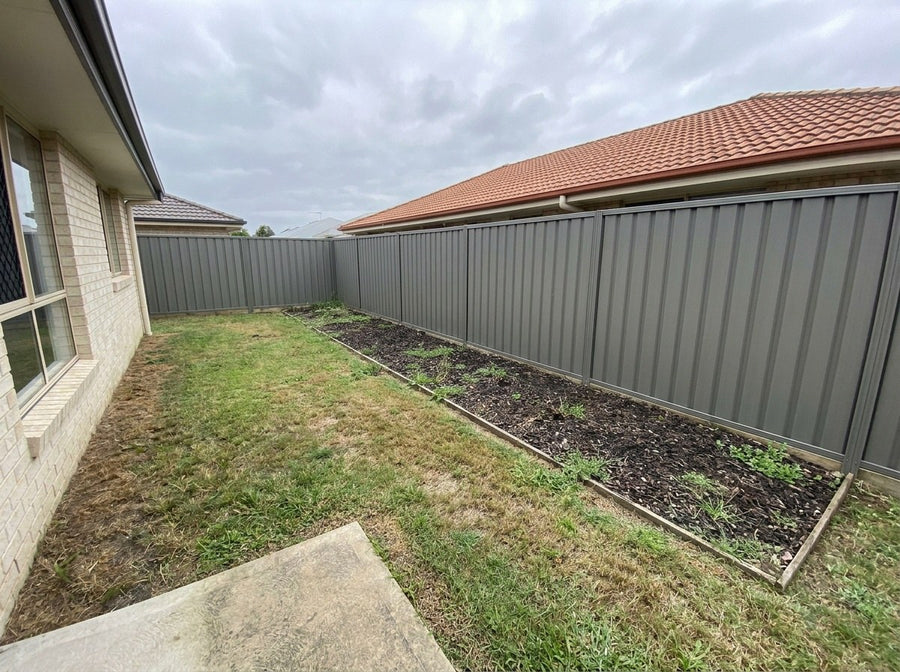
Can't picture it?
Trade pricing on every plant on your plan. Plants delivered to QLD, NSW, ACT, VIC and SA.
Lilly pilly covers at least seven different trees. Which Syzygium makes a hedge, which makes a 10 m screen, which flowers on its trunk, and which ones the psyllid leaves...
Read More
The last comfortable month before summer. Mulch before the heat, what still goes in the ground by region, the hedge trims, storm and fire prep, and the pests that start...
Read More
The native groundcover that covers a bank in a season and asks for almost nothing after. Which form to choose, how far apart to plant it, and the two things...
Read More
Mature height
Mature width
Position
Water needs
Growth rate
Foliage
Flower colour
Climate
Tolerates
Great for
Spacing
Pet friendly
Welcome offer
Tell us where to send your code and we'll reveal it straight away.
By signing up you agree to receive marketing emails from Nursery Near Me. Unsubscribe any time. Privacy Policy.
Your discount is 10%
Join the Nursery Near Me SMS Club for 15% off, plus early access to sales and new arrivals.
By submitting your number you agree to receive marketing text messages from Nursery Near Me at the number provided. Consent is not a condition of purchase. Message and data rates may apply. Reply STOP to opt out. Privacy Policy.
You're in the SMS Club
SMS15Use it at checkout on your next order. Your 10% code is also on its way to your inbox.
Apply code and shopCheck your inbox
Look for an email from Nursery Near Me. If it hasn't arrived in a few minutes, check your promotions or spam folder.
