
Clay soil has ruined more gardening enthusiasm than any pest. It's concrete in February, porridge in July, and death to anything that demands drainage. But here's what nurseries know: some of the best landscape plants in Australia prefer clay, its nutrients and moisture-holding are an asset the moment you stop fighting it.
The clay-lovers
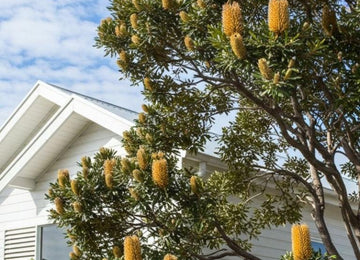
Sweet Viburnum screens fastest of all in heavy soil that would drown fussier hedgers. Callistemon Slim descends from creek-bank bottlebrushes, wet feet are its natural habitat. Lomandra Tanika and Liriope handle the wet-dry swing that defines clay. And crepe myrtles flower magnificently on clay's nutrient bank.
The two tricks that fix everything else
Plant proud. Set the root ball a few centimetres above grade and mound soil to it, roots get drainage at the crown, then grow down into the moisture. This one habit rescues most "needs well-drained soil" labels.
Gypsum plus organic matter, annually. Gypsum flocculates clay (clumps the particles so air gets in) without changing pH; compost feeds the soil life that keeps it open. Two autumns of both and a hostile bed becomes the richest ground on the street.
What to avoid
Anything labelled "must have perfect drainage" planted flat into unimproved clay: most Mediterranean herbs, many WA natives, and citrus in low spots. It's not you, it's the crown rot.
The clay starter pack
Below: a fast viburnum screen, native vertical colour, tough strappy edges and one summer showpiece, all genuine clay performers. Size it for your beds in the garden pricer, and if the digging itself is the obstacle (clay digging is real exercise), professional planting is offered in the cart. More tough choices in the lower-maintenance garden.
