



Plants grow by the same rules everywhere, but the limits differ by place. In Australia the limits are water, heat and ancient soils that are very low in phosphorus. This guide covers the plant science that explains what you see in an Australian garden.
How Australian conditions change the equation
The mechanisms of plant growth are universal, but the limiting factors differ by place. In Australia the constraints are rarely the ones northern hemisphere texts emphasise.
| Factor | The Australian reality |
|---|---|
| Light | Rarely limiting. Often excessive - our UV is among the world's highest |
| Water | The primary constraint across most of the continent |
| Nutrients | Phosphorus naturally very low; soils ancient and leached |
| Temperature | Heat stress limits growth more often than cold |
| Soil biology | Mycorrhizal partnerships critical in poor soils |
Photosynthesis stops in extreme heat
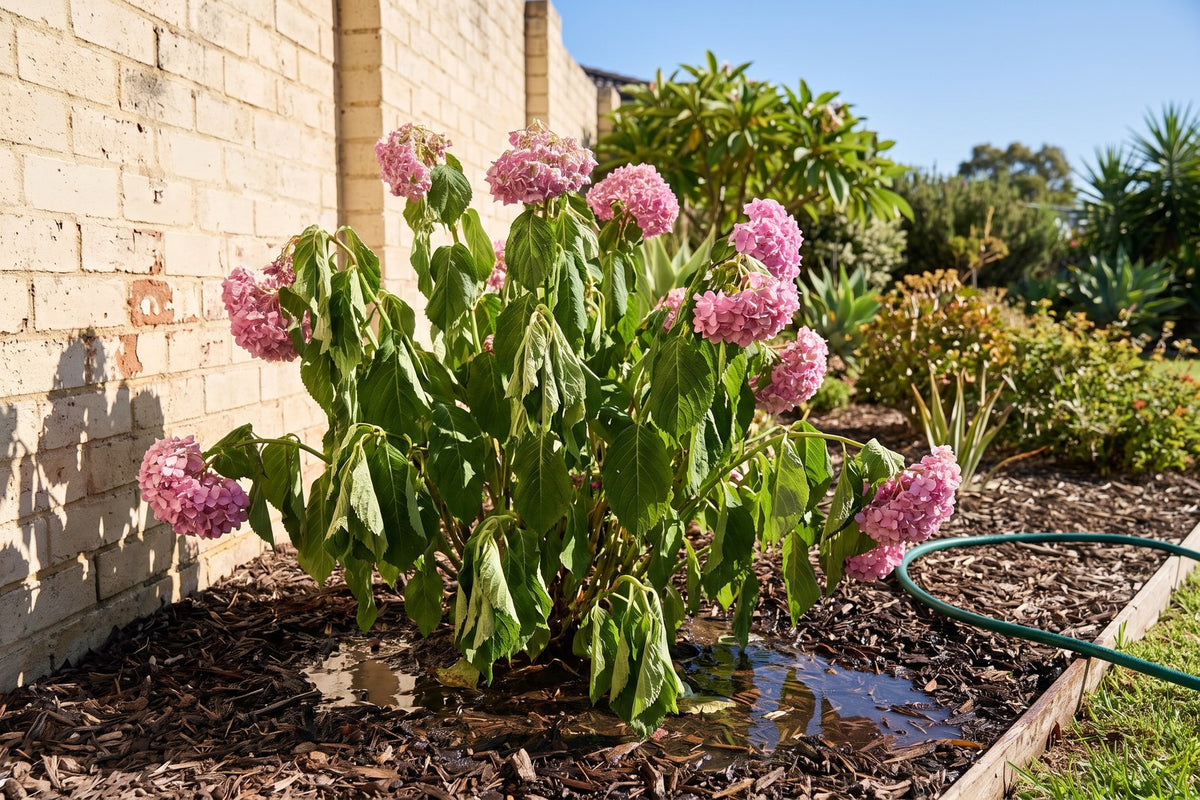
Worth understanding because it explains a lot of summer behaviour. Above roughly 35°C most plants begin closing their stomata to conserve water. Closed stomata mean no carbon dioxide uptake, which means photosynthesis effectively stops - so on a 40°C day a plant is not growing at all, it is surviving.
That is why plants can wilt in the afternoon with moist soil and recover overnight, and why watering at 2pm achieves so little. The plant is not short of water; it has shut down deliberately.
Why Australian natives evolved differently
Our soils have been weathered and leached for many millions of years without glaciation or volcanic renewal, leaving them among the most nutrient-poor on earth - particularly in phosphorus.
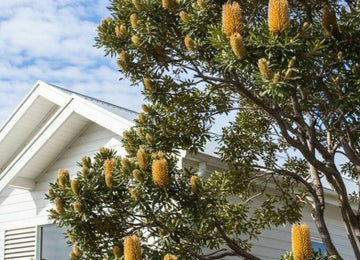
The Proteaceae responded by evolving cluster roots: dense mats of fine roots that release organic acids to chemically prise phosphorus out of soil where it is otherwise locked away. It is a remarkable adaptation, and it is also why these plants die when fed. They cannot regulate uptake, so in phosphorus-rich soil they absorb toxic amounts.
This single piece of plant physiology explains why grevilleas, banksias and hakeas need low-phosphorus fertiliser or none at all.
Roots grow where conditions are good
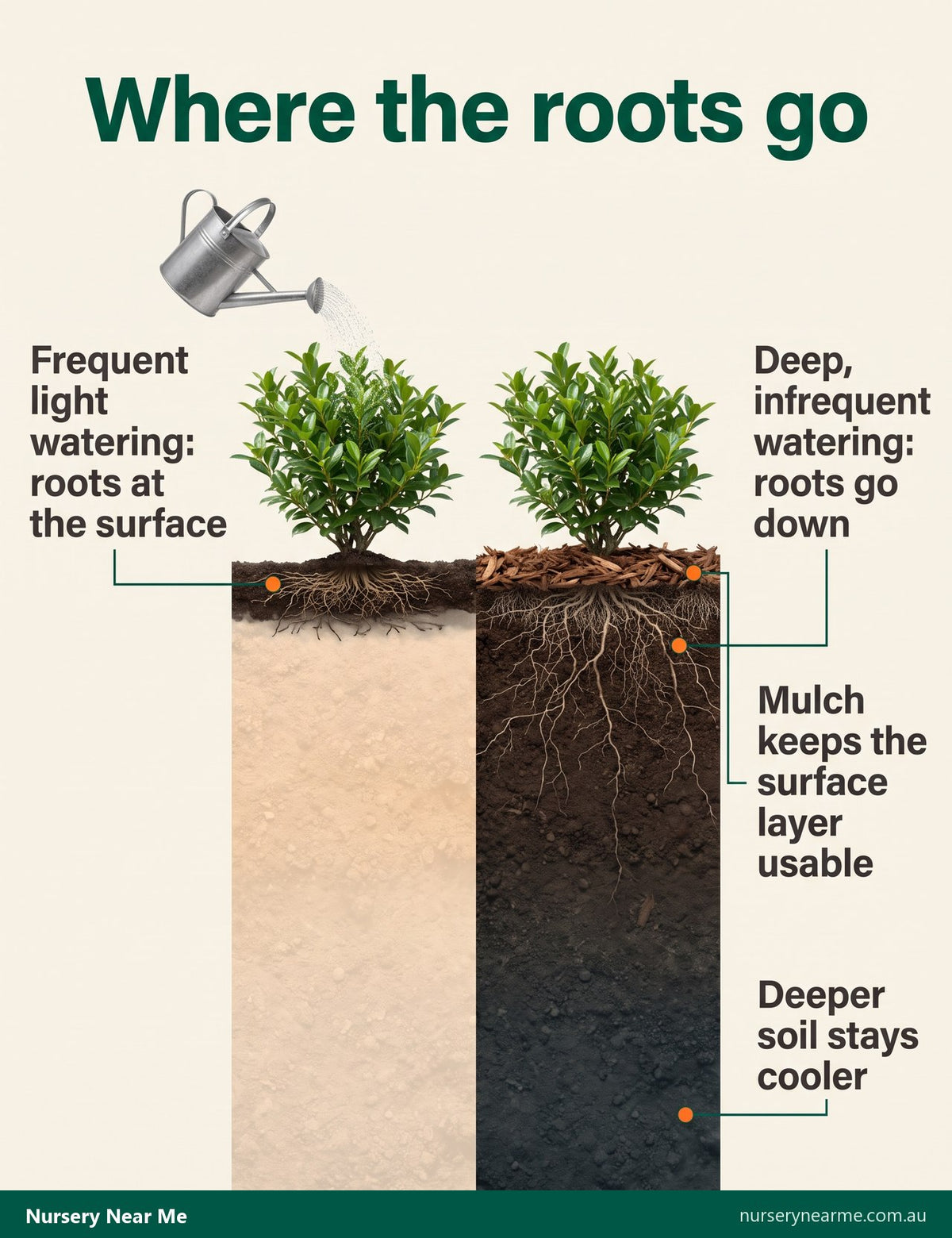
Practically the most useful principle. Roots proliferate where water and oxygen are both available and stop where either is missing. That has direct consequences:
- Deep infrequent watering drives roots down where soil stays cooler; frequent light watering keeps them at the surface where they cook.
- Waterlogged soil has no oxygen, so roots suffocate and rot - which is why drainage matters more than fertility in Australian clay soils.
- A well-improved hole in unimproved clay creates a soft pocket roots circle within rather than spreading out.
- Mulch keeps the surface layer usable, which is where most feeder roots want to be.
Fire and seed germination
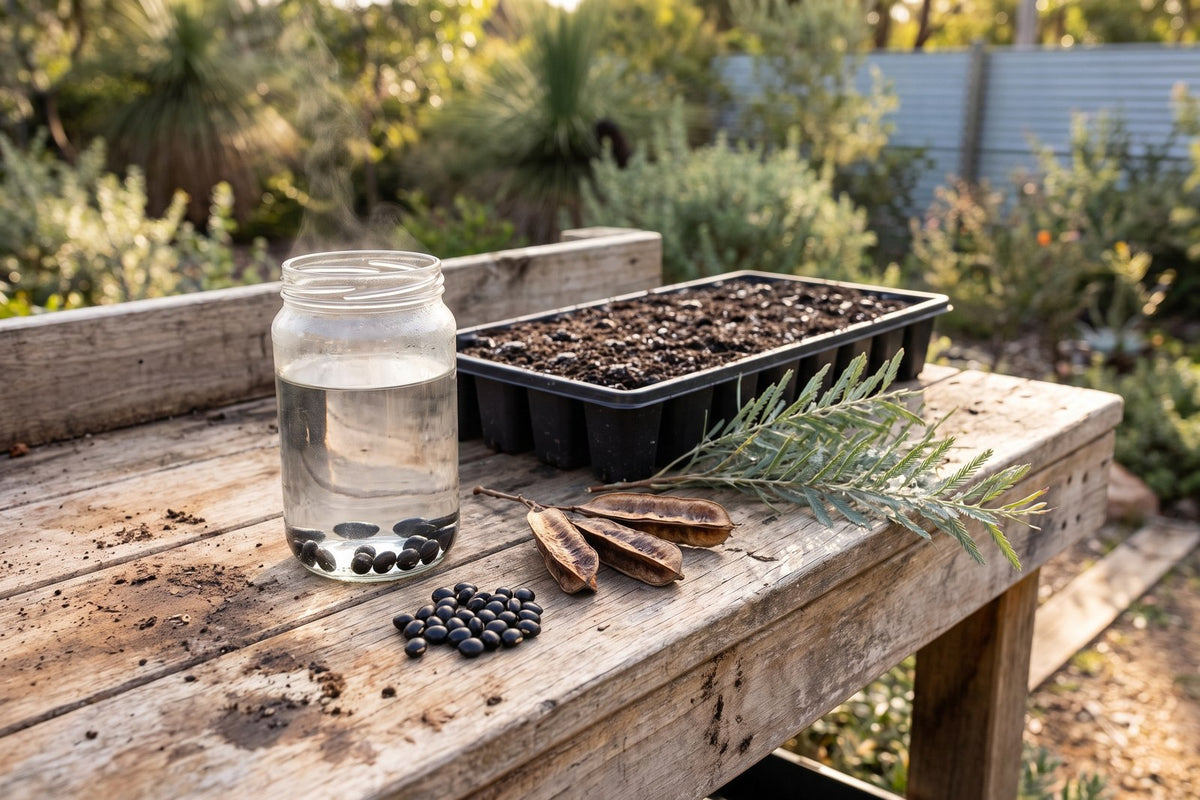
A distinctly Australian piece of plant science. Many species from fire-prone habitats will not germinate without smoke or heat treatment - the chemical cue tells the seed that the canopy has burnt and light is available. Acacia seed generally needs a boiling water soak to break its hard coat, and smoke water is sold commercially for banksias and others.
Mycorrhizal fungi
Around 90 per cent of land plants form partnerships with soil fungi that extend their effective root system and improve nutrient and water uptake. This matters more in poor Australian soils than in rich ones. Protect it by mulching, digging less, and avoiding heavy fertiliser and fungicide - the popular claims about trees deliberately sharing resources through these networks are contested, but the nutritional partnership itself is well established.
Related guides
Our guide to fertilisers translates the chemistry into what to put on the garden.
A shortage of iron or manganese shows as chlorosis, where leaves turn yellow between the veins. Our guide to recognising plant deficiencies shows what each shortage looks like on the leaf.
Working out what you are starting with is the first job, and our guide to soil types explains how to identify yours.
Growth adds up over decades, which is what our guide to tree maturity describes.
Most flowering plants rely on animals to move their pollen, and that is worth supporting deliberately, as our guide to bird attracting native plants explains.
Ready to plant?
Put the theory to work: choose your stock from our full plant range and give it the right start with a mix from potting mixes, mulches and fertilisers.


