





Pulling weeds is the last resort. A garden stays clean when the soil is covered, nothing is allowed to seed, and the persistent weeds are dealt with in the way that suits each one. This guide covers the methods that work in Australian gardens and the weeds that need special handling.
The three strategies that do most of the work
- Mulch to 75 mm. Nothing else comes close for the effort. Most weed seeds need light to germinate, and mulch denies it. Keep it clear of stems and top it up each year as it breaks down.
- Plant densely. Closed groundcover leaves no bare soil for weeds to colonise. This is why the first year of a groundcover planting is the hard one and every year after is easy.
- Never let anything set seed. Ten minutes of weeding before seed ripens saves hours the following season. One flowering weed left standing is thousands of seeds.
Know the weed before you pull it
Weeds fall into three groups, and the group decides the method.
- Annuals germinate, flower and seed within a year. Hoe or pull them young, before they flower, and mulch to stop the next crop.
- Biennials form a leafy rosette in their first year and flower in their second. Remove the rosette and the job is done.
- Perennials come back from roots, runners, bulbs or tubers. Cutting the top off does nothing; the underground parts have to come out or be starved.
The weeds Australian gardeners fight most
| Weed | Where | Why it is hard |
|---|---|---|
| Kikuyu and couch | Nationwide | Runners regrow from any fragment left behind |
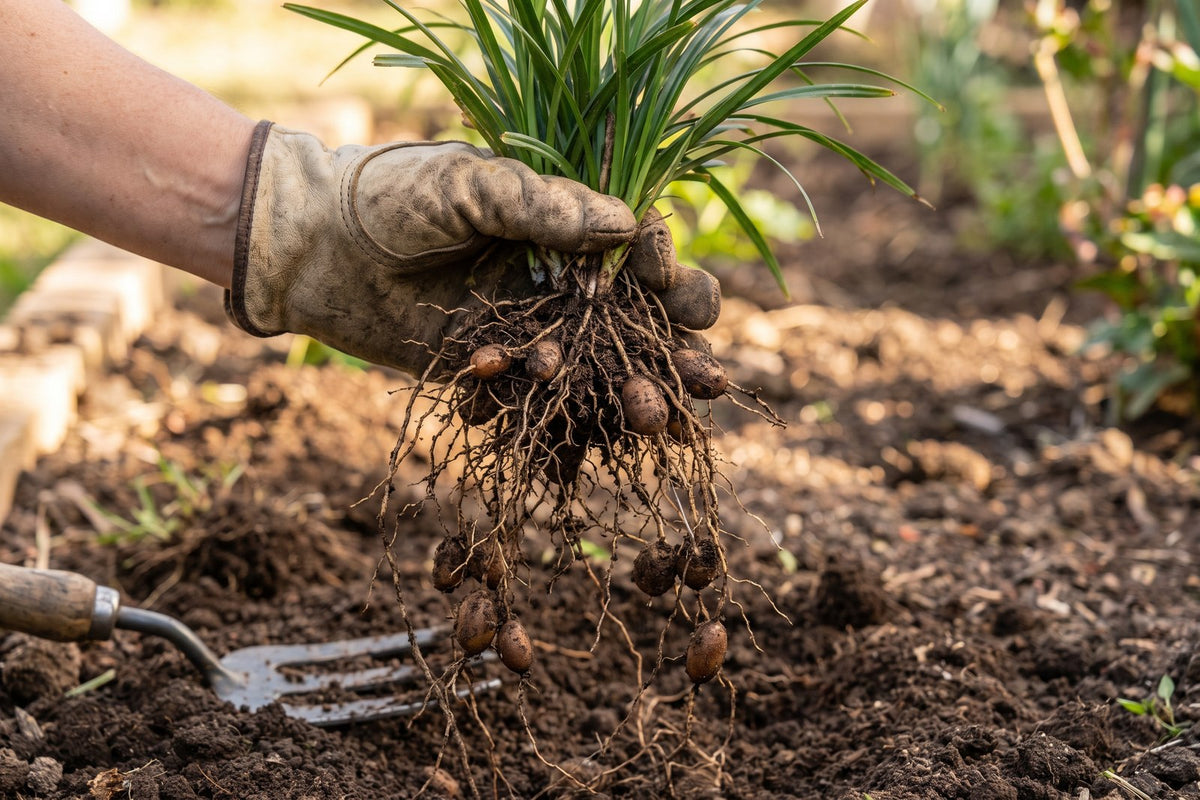
| Nutgrass (nutsedge) | Warm and subtropical areas | Underground tubers; pulling makes it spread |
| Oxalis (soursob) | Southern Australia | Tiny bulbils scatter when disturbed |
| Wandering trad | Eastern Australia | Every stem fragment reroots |
| Bindii | Lawns nationwide | Sets prickly seed in spring |
| Farmers friends, fleabane | Warm climates | Prolific wind blown seed |
Weeds that must be dug, not pulled
Nutgrass, oxalis and wandering trad all spread when you disturb them the wrong way. Pulling nutgrass snaps the stem and leaves the tubers, which then multiply. Disturbing oxalis scatters bulbils. Snapping wandering trad leaves fragments that each reroot.
For these, dig out the whole system carefully, sift the soil, and put the material in the bin, not the compost. Expect to repeat it several times over a season.
Groundcovers that shut weeds out
A living cover does the same job as mulch and never needs topping up. Choose by position:
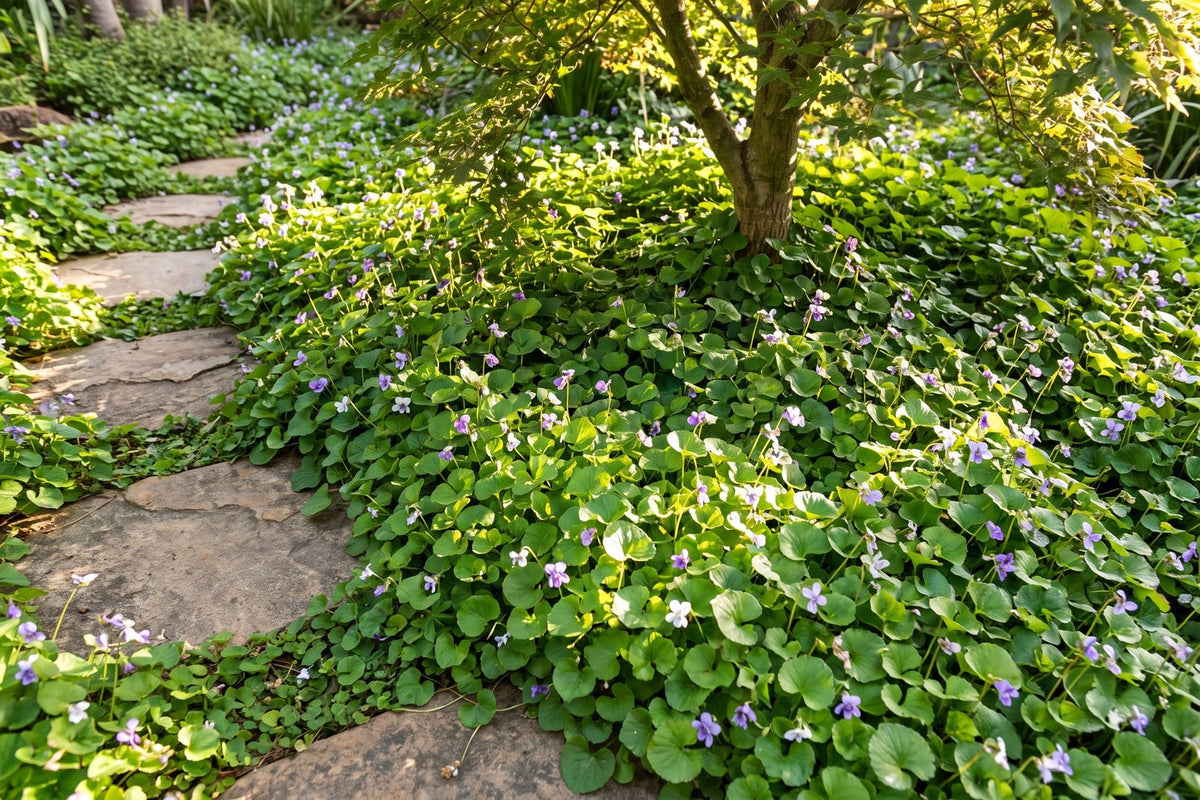
- Native violet for shade and damp soil, where it knits into a green carpet.
- Silver Falls dichondra for sun and dry banks, with silver foliage that spreads wide.
- Mondo grass for edges and the shade under trees.
- Creeping thyme for sunny gaps between pavers.
Plant them closer than the label suggests and mulch between them until they meet.
Clearing a weedy area before planting
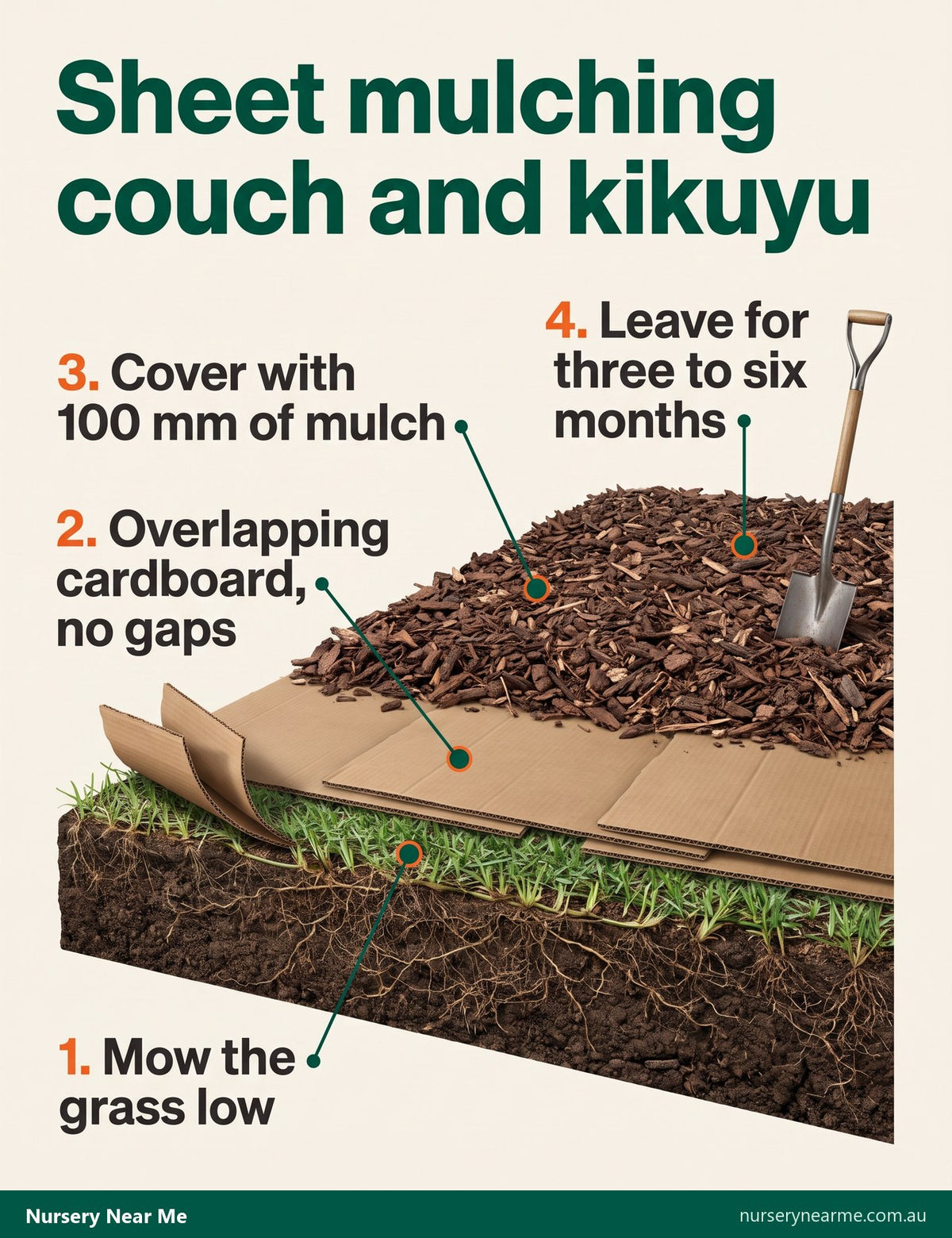
To clear couch or kikuyu without herbicide, sheet mulch it. Mow low, lay overlapping cardboard with no gaps, cover with 100 mm of mulch, and leave it for three to six months. Australian warmth speeds the process compared with cooler countries.
Solarisation also works well in our summer heat: clear plastic laid over damp soil for several weeks cooks the weeds and much of the seed near the surface. It is particularly effective in Perth, Adelaide and inland areas.
Weeds in the lawn
A dense lawn is its own weed control. Mow regularly at the right height for the grass with sharp blades, water deeply and less often, and aerate compacted areas. Bindii is the one to time: treat or hand weed it in winter, before it sets its prickly seed in spring.
If you use herbicide
Follow the label rates exactly. A stronger mix is not more effective and causes damage beyond the target. Do not spray on windy days or before rain, and keep it away from tree root zones, since many garden trees are damaged by herbicide taken up through surface roots. Repeated use of a single herbicide has produced resistant weeds across Australia, so rotating methods works better than relying on one.
Two cautions
- Never dump weeds or prunings in bushland or over a back fence. It is a major pathway by which garden plants become environmental weeds.
- Some weeds are legally declared, and landholders are required to control them. Requirements vary by state and council, so check your obligations if you find one.
Common questions
What is the best way to stop weeds coming back?
Cover the soil. Mulch 75 mm deep or plant groundcover densely, and remove any weed before it seeds.
Why does nutgrass get worse when I pull it?
Pulling breaks the stem and leaves the tubers in the ground, and each tuber shoots again. It has to be dug out whole.
Can I compost weeds?
Leafy annual weeds without seed, yes. Anything with seed, bulbs, tubers or runners goes in the bin, because a home compost heap rarely gets hot enough to kill them.
Ready to plant?
Close the gaps with plants from our climbers and groundcover range, and cover what is left with mulch from potting mixes, mulches and fertilisers.


