

Winter Clearance On Now - Big Savings on Advanced Trees and Hedging

Healthy Plants, Guaranteed. If your plant doesn’t thrive, we’ll replace it.

Minimum $300 order before delivery - built for safe live plant transport.

Enhance Your Garden with Ficus Hillii Topiary

Three ficus hillii ball topiaries on clear trunks lined up along a clipped hedge outside a modern house

Nursery Near Me |

Growing healthy ficus hillii topiary plants is akin to mastering an art form.

These plants, known for their elegance, require dedication and precision.

With commitment and care, one can transform a simple sapling into a spectacular green sculpture, enhancing both indoor and outdoor spaces while contributing to a healthier environment.

Start with the basics.

Choosing the Right Location

Choosing the right location is paramount to the thriving growth of ficus hillii topiary plants.

They require ample sunlight and well-drained soil conditions to flourish.

A position that receives morning sun and afternoon shade typically works best, as it allows the plants to absorb sufficient light without becoming too stressed. Additionally, ensure the spot is sheltered from harsh winds, which can damage the delicate topiary shapes. The same species does excellent work as a screen when it is left unclipped, as our guide to the best fast growing screening trees for privacy explains.

Such careful consideration of location not only supports the health and vitality of the ficus hillii topiary but also sets the stage for well-shaped foliage that can gracefully adorn any garden or interior space. By choosing wisely, individuals lay the foundation for a thriving and visually captivating topiary display.

Planting Ficus Hillii Topiary

When planting ficus hillii topiary, consider the overall aesthetic you wish to achieve.

To begin with, dig a hole that is twice the width of the plant’s root ball and of equal depth. This ensures that the roots have enough space to spread and establish themselves. After placing the plant in the hole, backfill with a mixture of native soil and compost, which provides excellent nutrient support.

Watering thoroughly post-planting is crucial for settling the soil and eliminating air pockets. This initial watering will help the roots establish themselves more effectively, contributing to robust growth.

Finally, maintaining a mulched layer around the base of the plant will preserve soil moisture and prevent weeds, ensuring a healthier growth environment. With these steps, planting ficus hillii topiary becomes a rewarding and visually enriching endeavour, heralding a future of lush and elegant greenery.

Soil Requirements

Ficus hillii topiary requires well-draining soil, allowing the roots to access essential nutrients and avoid waterlogging.

To achieve optimal soil conditions, it is recommended to use a rich, loamy mix that contains organic matter, such as compost or aged manure, providing the plants with sustained nourishment throughout their growth phase. Ideal soil conditions include a pH level between 6.0 and 6.5, ensuring nutrient availability and enhancing root development.

Consistently monitoring the soil's moisture levels is crucial to avoid both overwatering and drought conditions. By ensuring the soil remains slightly moist without becoming waterlogged, gardeners can foster a resilient and thriving environment for their ficus hillii topiary.

Moreover, amending the soil with organic materials periodically not only improves soil structure but also boosts its fertility, promoting vigour in the plants. Ultimately, attention to proper soil management sets the foundation for vibrant and healthy ficus hillii topiary, radiating beauty in any landscape.

Watering Guidelines

Consistent watering is crucial for ficus hillii topiary.

During the growing seasons of spring and summer, they thrive with regular watering. The soil should be moist but not waterlogged, necessitating a balance that ensures healthy root growth. Overwatering can harm by causing root rot, while insufficient moisture leads to stress and stunted growth.

Proper watering intervals are essential.

Monitor the top 2-3 centimetres of soil. If it feels dry to the touch, then it is time to water again. This approach prevents both under- and overwatering, fostering a conducive growth environment.

Mature plants often develop greater resilience to intermittent watering, yet maintaining a consistent schedule of hydration during dry spells fortifies their health. For those growing ficus hillii topiary in pots or confined spaces, attention to drainage is paramount to prevent water from pooling at the roots.

By following these watering guidelines, gardeners can not only nurture robust and verdant ficus hillii topiary but also contribute to their longevity and aesthetic splendour.

Fertilising Tips

To cultivate vibrant ficus hillii topiary plants, regular feeding is crucial, particularly during their active growth phases. Fertilising enhances their vitality, promoting lush foliage and robust structure.

Use a balanced, slow-release fertiliser designed for evergreens for optimal results. This ensures a steady supply of essential nutrients.

Alternatively, liquid fertilisers can be applied every four to six weeks. Consistent feeding supports sustained healthy foliage growth.

Organic options like compost or well-rotted manure can also be beneficial. These enrich the soil structure and provide a natural nutrient boost. If you want to understand what those numbers on the bag actually mean, our guide to the science behind fertilisers is a useful companion.

Avoid over-fertilisation to prevent issues such as nutrient burn. A measured approach ensures the plants receive adequate nourishment without adverse effects.

Ultimately, the key to thriving ficus hillii topiary lies in consistent and mindful fertilising practices. Tailoring the feeding programme to suit their specific needs guarantees outstanding growth and longevity.

Pruning and Shaping

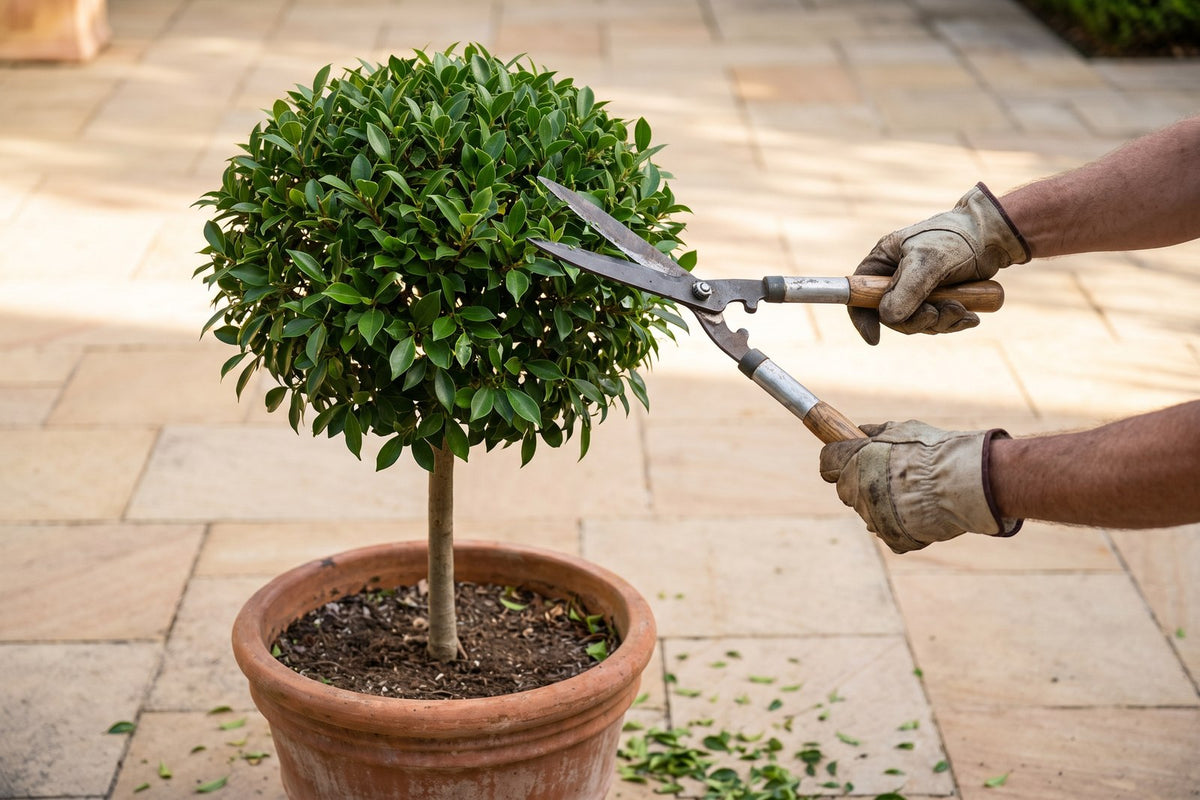
Regular pruning and shaping are fundamental to maintaining the classic structure and form of ficus hillii topiary, ensuring they remain visually captivating, and healthy year-round.

Employing sharp, sanitised tools encourages cleaner cuts and minimises infection.

Regularly scheduled trims foster dense foliage and a symmetrical appearance, which is vital to a striking and cohesive topiary structure. The same discipline applies to a hedge, and our guide on how to create a great hedge and keep it looking sharp covers the timing.

Transforming these magnificent trees into living sculptures requires both patience and precision. By consistently cutting back new growth, one not only preserves their intended shape but also stimulates further branching, creating a fuller and more refined look. Taking the effort to prune meticulously ensures that the ficus hillii topiary not only thrives but becomes a testament to nature's artistry in one's hands.

Pest and Disease Management

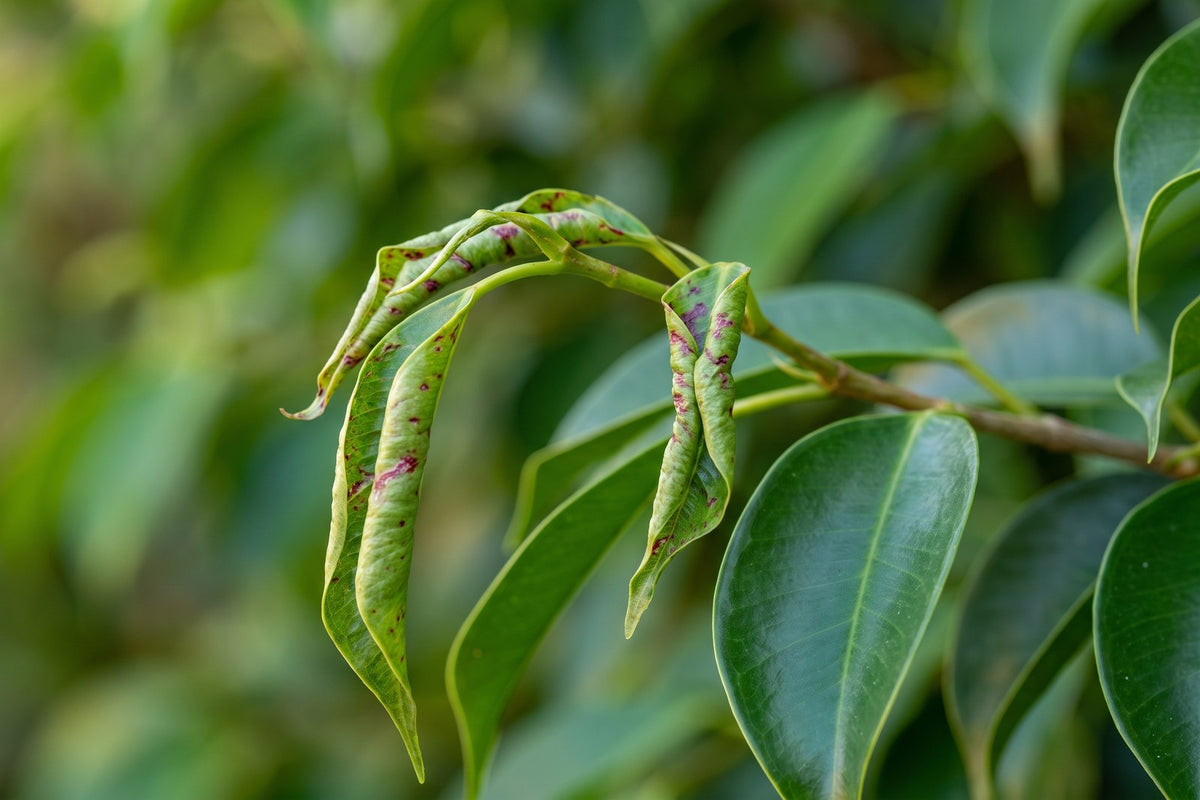
Managing pests and diseases is crucial for the health of ficus hillii topiary plants.

In 2016, Australian gardeners witnessed a noticeable uptick in ficus-related pest issues, highlighting the importance of vigilance.

Therefore, it's not sufficient to merely hope one's topiary remains unaffected; a proactive approach ensures their longevity and aesthetic appeal.

Regular inspection is key to detecting problems early, allowing for immediate intervention. By employing organic or mild chemical treatments, one can effectively combat various pests, such as scale insects and mealybugs.

With persistence and care, one can maintain the vitality and splendour of their ficus hillii topiary.

Mulching Best Practices

Effective mulching significantly boosts the health and growth of ficus hillii topiary plants.

Specifically, organic mulch is highly recommended.

Organic mulch, such as wood chips or bark, gradually decomposes and enriches the soil, thus improving overall plant vitality.

Lastly, consistent application of mulch ensures moisture retention, suppression of weeds, and regulation of soil temperature. By mulching properly, gardeners lay a robust foundation for their ficus hillii topiary to flourish. Frequent refreshing of mulch, typically annually, maintains its benefits and promotes sustained growth.

Re-potting Ficus Hillii Topiary

Re-potting ficus hillii topiary plants is a critical task, charged with ensuring their continued health, vigorous growth, and sculpted elegance. Carefully executed, it provides the plant with an invigorated environment conducive to sustained vitality.

The best time for re-potting is during the warm seasons.

First, select an appropriately larger pot with adequate drainage holes (terracotta and decorative ceramics are ideal).

Gently remove the plant from its current pot, carefully ensuring to minimise root disturbance. Shake off excess old soil from the roots, being cautious to keep the roots intact and healthy.

Place a layer of fresh, high-quality potting mix at the bottom of the new pot, creating a stable base for the plant. Position the ficus hillii topiary centrally within the pot and fill around it with more potting mix, firmly but gently packing it down to eliminate air pockets.

Water thoroughly after re-potting to help settle the soil and support root establishment. Regular post-repotting care and attention will see the topiary flourishing in its refreshed environment.

Seasonal Care

Seasonal care for ficus hillii topiary ensures year-round health and aesthetic appeal. Each season's specific needs should be addressed.

In spring, they benefit from increased watering and a half-strength all-purpose fertiliser to boost new growth. Summer requires consistent moisture and periodic checks for pests that thrive in warmer months.

Embrace a light pruning in autumn to maintain shape, while reducing watering in winter.

Summer Care Tips

During summer, Ficus Hillii topiary plants require consistent watering to thrive, especially during hot spells. Maintaining hydration is crucial for optimal growth and vitality.

In addition to watering, they need "gentle misting" to provide humidity. This helps to replicate their natural environment, ensuring lush, vibrant foliage throughout the season.

Regular misting can prevent spider mites, common summer pests for indoor plants.

Another essential task is to check for and control pests. Applying a biodegradable insecticidal soap can protect the topiary from harmful insects. With proper care, these elegant plants will continue to grace any garden or indoor space, showcasing their striking form and lush greenery.

Winter Care Instructions

As winter approaches, it is crucial to adjust how one cares for their Ficus Hillii topiary.

Firstly, the plant requires less water in a cooler, dormant state, making it important to monitor soil moisture levels. Watering should be reduced but still consistent to prevent the soil from becoming completely dry, ensuring the roots remain healthy.

Additionally, ensure the topiary receives adequate indirect sunlight. While the plant will not grow as vigorously during winter, adequate light exposure will help maintain its form and overall health.

Protecting the Ficus Hillii topiary from cold drafts and extreme temperature fluctuations is essential. Placing the plant in a location with stable temperatures, away from heating vents and cold windows, will create a conducive environment for its well-being during the winter months. Implementing these thoughtful practices guarantees the topiary remains robust, ready for renewed growth in spring.

Light Requirements

Proper light exposure significantly impacts the growth and appearance of the Ficus Hillii topiary.

For optimal growth, Ficus Hillii topiaries thrive in a location offering abundant natural light, mimicking their natural habitat. They flourish when placed in bright, indirect sunlight, which enhances their lush foliage and vibrant growth. Direct sunlight for a few hours can be beneficial, but excessive exposure may cause leaf burn. Indoors, the closely related weeping fig behaves similarly, as our guide to caring for Ficus benjamina sets out, while our fiddle leaf fig guide covers the other popular indoor ficus.

Indoor placement next to a bright window is ideal for this resilient plant. If outdoor planting is an option, positioning the topiary in a spot that receives morning sunlight and afternoon shade will yield the best results, availing a balanced light regimen.

For those who cannot provide ample natural light, supplemental lighting solutions, such as fluorescent or LED grow lights, can serve as an excellent substitute. These artificial lights should be kept on for about 12 hours per day to mimic natural sunlight. Consistent light exposure ensures that the Ficus Hillii topiary stays healthy, grows uniformly, and maintains its elegant structure, truly exemplifying the beauty of topiary gardening.

Common Mistakes to Avoid

One frequent mistake in cultivating ficus hillii topiary is overwatering, which can lead to root rot, stunted growth, and the plant’s eventual demise. Observing proper watering techniques is paramount.

Disregarding soil drainage is another common pitfall. Proper drainage ensures healthy root systems, preventing waterlogged conditions that can be detrimental.

Neglecting to prune regularly is also a considerable misstep. Routine pruning is essential for maintaining the desired topiary shape and promoting vigorous new growth.

Using improper pruning tools can damage the plant. Employing clean, sharp tools facilitates smooth cuts, reducing the risk of infection and ensuring precise shaping.

Placing the ficus hillii topiary in insufficient light is another error to avoid. Ensuring adequate light exposure fosters robust growth and prevents leggy, weak stems.

Finally, failing to acclimate the plant to outdoor conditions can shock it. Gradual exposure to outdoor elements helps it adjust, ensuring healthy, resilient growth.

Update: we have also published a complete climbing fig care guide covering varieties, planting, feeding, pruning and problem solving for Australian gardens, which is worth reading if you are training ficus against a wall rather than shaping it into a standard.

Read this before planting Ficus hillii
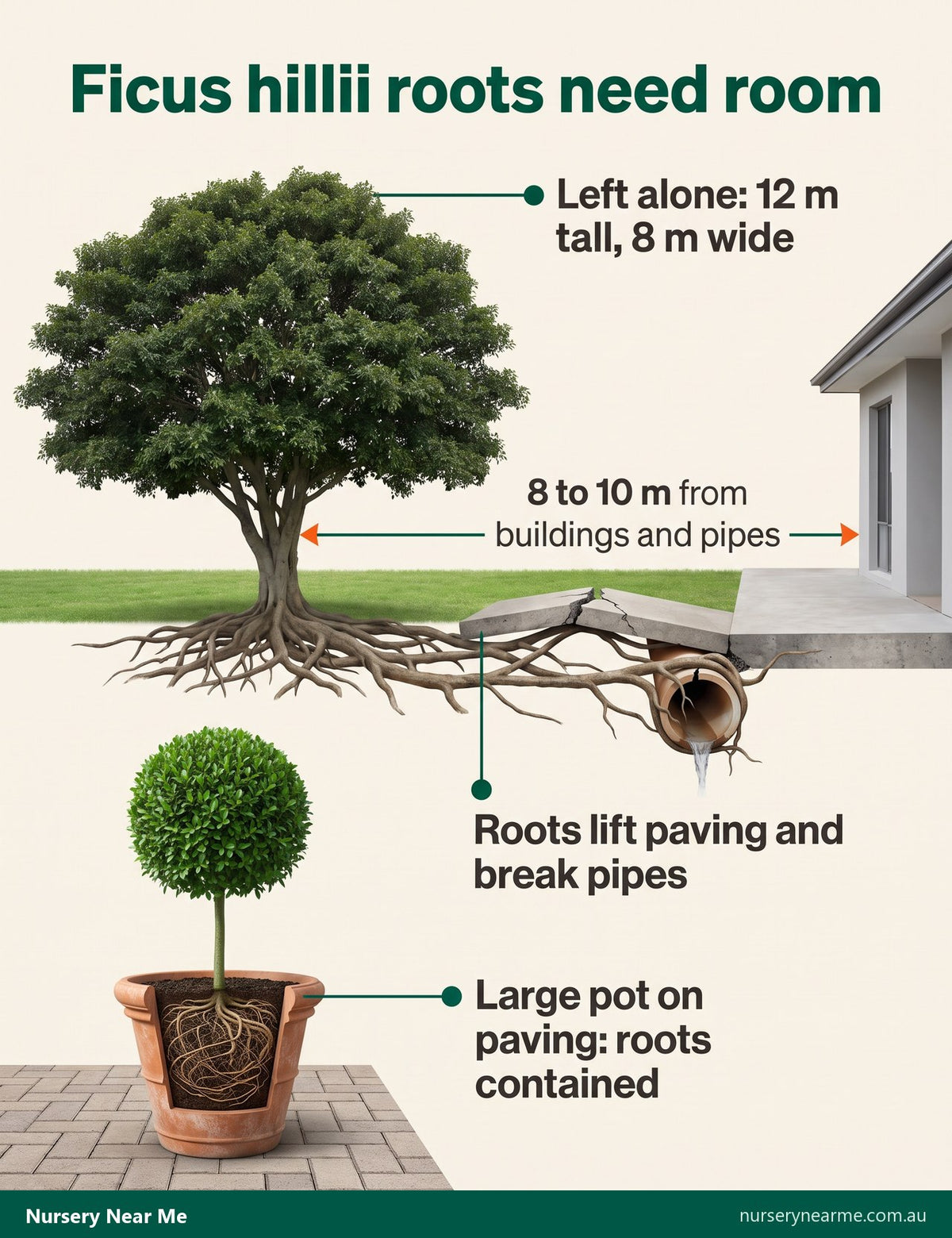
Ficus microcarpa var. hillii is a genuinely excellent topiary and screening plant - dense, glossy, fast, and it clips beautifully. It is also a fig, and figs have the most aggressive root systems of any plant commonly sold in Australian nurseries.

Mature specimens have lifted driveways, cracked slabs, blocked and broken sewer and stormwater lines, and damaged pool shells and retaining walls. Many Australian councils will not plant them near infrastructure for exactly this reason, and repair costs run into thousands.

Where it is safe, and where it is not

Situation Verdict
Large container or planter box Ideal - roots contained, and it takes clipping perfectly
Open lawn, well away from services Fine with 8-10 m clearance
Rural or acreage block Fine
Beside a driveway, path or slab Avoid
Near sewer, stormwater or the pool Avoid entirely
Narrow suburban boundary Avoid - choose lilly pilly or murraya instead

Growing it in a large planter box is genuinely the best of both worlds and is how it is most often used successfully in Australian courtyards and commercial landscaping. The restricted root run also slows growth slightly, which suits a clipped form.

Where it grows in Australia

  • Brisbane, Gold and Sunshine Coasts, northern NSW - excellent, and very fast.
  • Sydney and coastal NSW - very good, widely used in formal hedging.
  • Perth - grows well with summer water.
  • Melbourne and Adelaide - workable in sheltered positions; young plants are frost tender.
  • Darwin and tropical Queensland - extremely vigorous, needs frequent clipping.
  • Canberra and cold inland - marginal, frost limits it.

Clipping

This is what it is grown for and it responds better than almost any other plant. Trim three or four times through the growing season in warm climates - more in Brisbane and Darwin, less in Melbourne. Frequent light trimming produces the dense fine surface that makes a good topiary; one hard annual cut produces coarse growth and visible stubs.

It reshoots readily from old wood, so a neglected specimen can be cut back hard in spring and retrained, which is unusual and forgiving.

Alternatives if the position is wrong

If you want the same dense clipped look on a suburban boundary, near paving or anywhere near services, plant a psyllid-resistant lilly pilly, murraya or sweet viburnum instead. All three clip well, screen densely, and have root systems that will not cost you a driveway.

Ready to plant?

A well-shaped ficus hillii holds its form for decades with two or three trims a year. Browse our ficus range for topiary and standards, or see the wider hedging and screening collection if you would rather grow a solid green wall. The Hills Weeping Fig is the standard form for clipping into a topiary or a standard, and Ficus hillii Emerald is the narrower selection for a tight screening line, both delivered Australia wide.

Previous Next