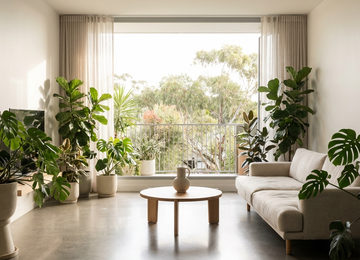
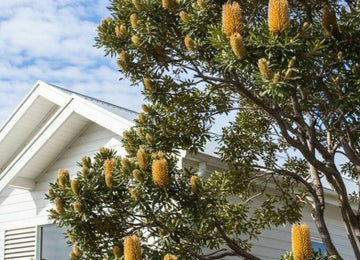


A tree is mature when it has stopped putting most of its energy into getting taller and has settled into the shape, canopy and flowering pattern it will hold for decades. The years that takes depend on the species, the soil and above all the climate, which is why the same tree can be mature in ten years in Brisbane and still filling out at twenty in Hobart. This guide explains the growth stages, what "advanced" and "mature" mean when you buy a tree in Australia, how long the common species take, and when paying for size makes sense.
The growth stages
Seedling and sapling
A seedling is the first year or two from seed or cutting: a single stem, soft growth and a root system the size of a hand. A sapling has a woody stem, a few branches and a clear leader, and it is the stage most trees are sold at in a standard pot. Both grow fast in height but have little canopy, and both need regular water through their first summers.
Young tree
From about the third year the trunk thickens, the branch structure sets, and the first flowers and fruit appear. Height growth is still quick, but the tree is beginning to spend energy on width and on a canopy that casts real shade. This is the stage advanced nursery stock is sold at.
Mature
Height growth slows to a trickle, the canopy reaches its full spread, flowering and fruiting settle into an annual rhythm and the trunk stops thickening quickly. A mature tree can still be young in years: a lilly pilly is mature at eight, a eucalypt not for decades. Arborists measure maturity by the proportion of the canopy to the trunk and by how the tree responds to pruning, not by the calendar.
What "advanced" and "mature" mean when buying in Australia
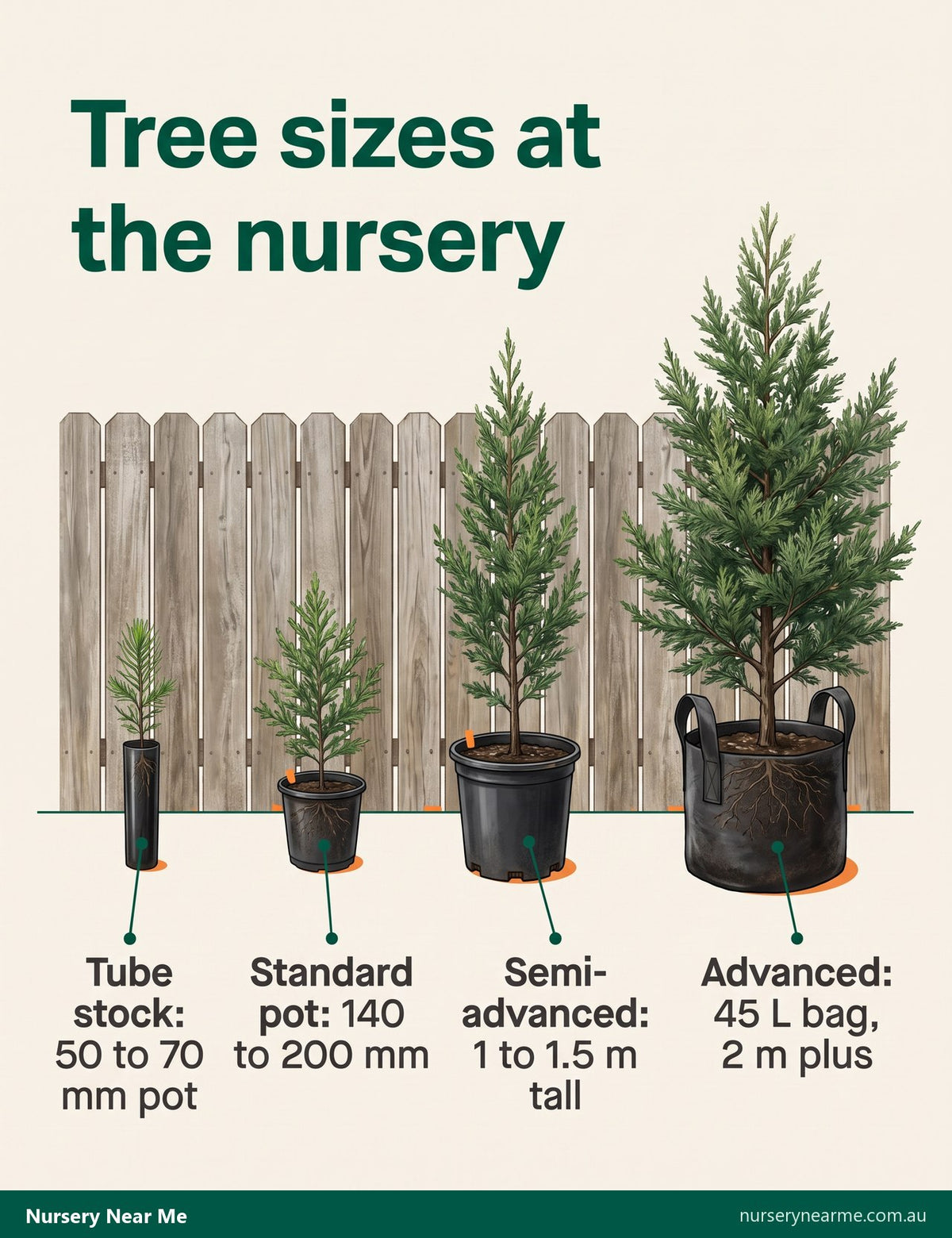
The terms used in Australian nurseries are not standardised, which causes a lot of confusion when comparing prices. Broadly, this is what you are buying.
| Term | Typically means | Time saved |
|---|---|---|
| Tube stock | 50 to 70 mm pot, seedling size | None; the cheapest start |
| Standard pot | 140 to 200 mm pot | 6 to 12 months |
| Semi-advanced | 250 to 300 mm pot, 1 to 1.5 m tall | 1 to 2 years |
| Advanced | 45 L bag and up, 2 m plus | 2 to 4 years |
| Ex-ground | Field grown, dug and root-balled | 4 to 8 years |
| Super-advanced | Very large field-grown specimens | 8 years and more |
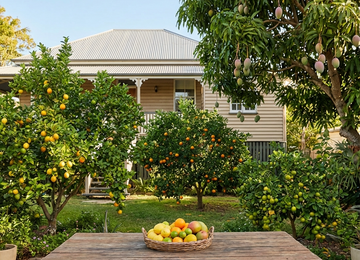
Ex-ground stock is the Australian speciality worth understanding. Trees are grown in the field for years, then lifted with a root ball during the dormant season. They give immediate presence at a fraction of the cost of an equivalent container-grown tree, but they must be planted in the right season and watered attentively for the first two summers. To see what that looks like in practice, Signature Trees grows ex-ground advanced trees on two Queensland farms, one in the cool highlands near Toowoomba and one in the wet tropics near Innisfail, and its journal explains how to choose a tree you will keep for fifty years.
How long a tree takes to mature here
Growth rates in Australia vary enormously by climate, and the same species can behave very differently in Brisbane and Hobart.
- Fast-growing subtropical species, lilly pilly, golden penda and tuckeroo, give useful size in three to five years in Brisbane and coastal New South Wales.
- Deciduous trees, ornamental pear, crepe myrtle and jacaranda, typically take eight to fifteen years to a mature canopy.
- Eucalypts can grow extremely fast in the right conditions but take decades to reach true structural maturity.
- Palms and cycads are slow, which is precisely why advanced specimens are expensive.
- The same tree will mature considerably faster in Darwin or Brisbane than in Melbourne, Canberra or Tasmania.
Why it matters practically
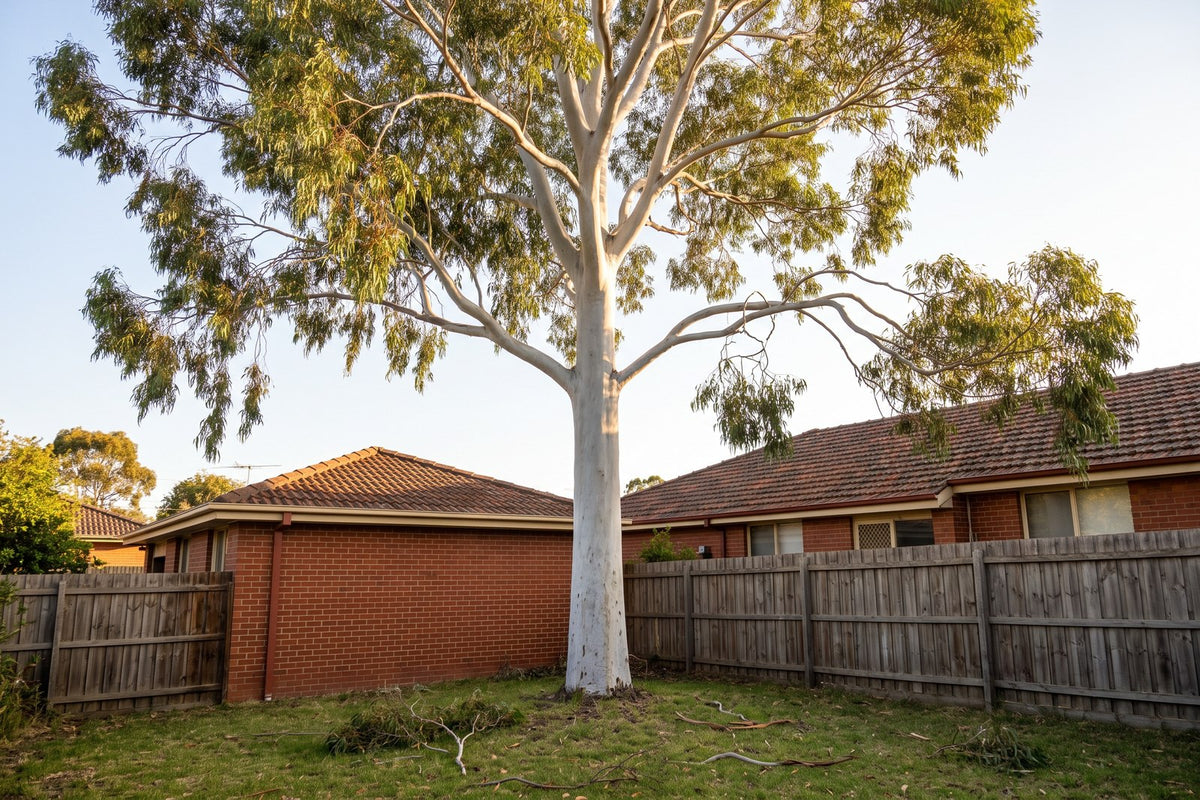
Tree maturity has real consequences beyond appearance. Councils across Australia have tree protection rules that apply once a tree passes a certain height or trunk circumference, and removing a protected tree without a permit carries substantial fines. If you are considering removing an established tree, check your local council's requirements first. Maturity also changes what a tree does to a property. A mature canopy shades the house and cuts cooling costs, but mature roots reach further, mature limbs drop further, and a mature tree overhanging a neighbour's property becomes a shared concern. Planning for the mature size at planting is far cheaper than dealing with it in twenty years.
When paying for size is worth it
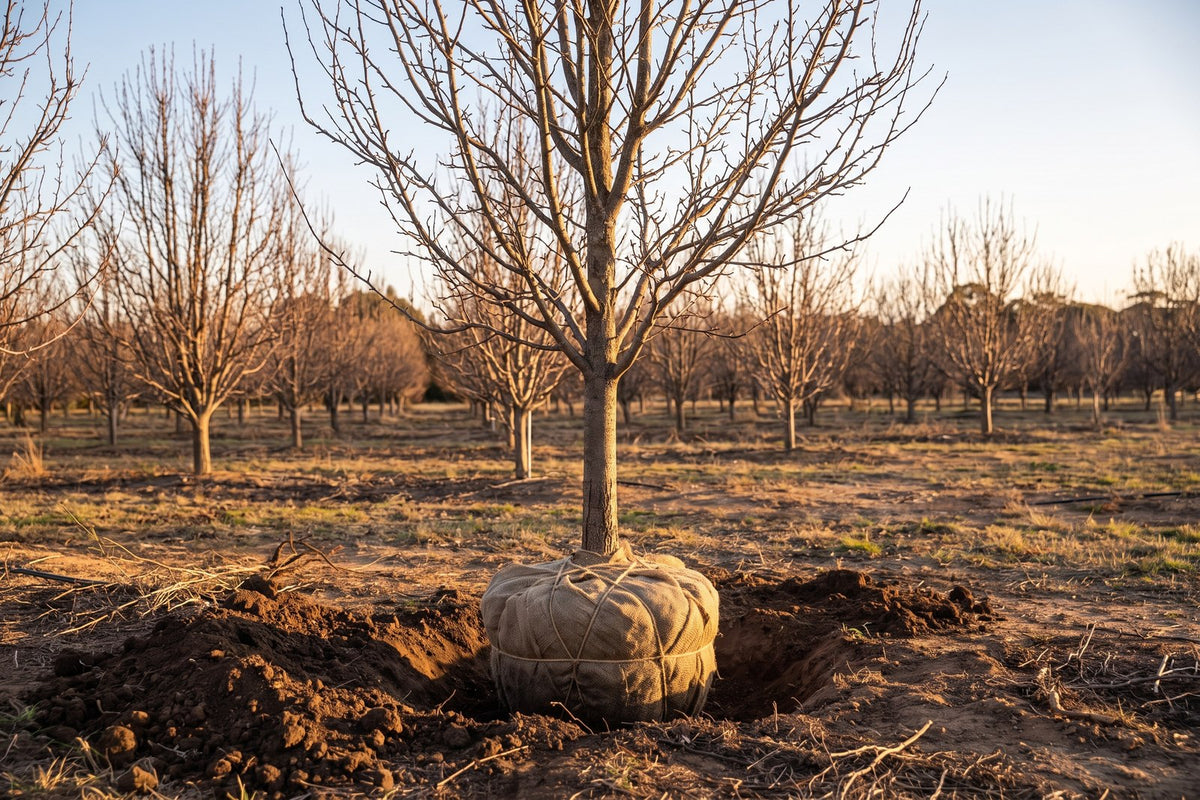
Buy advanced or ex-ground stock where the point of the plant is immediate: a privacy screen blocking a new development, a shade tree over an outdoor area you use now, or a feature tree in a front garden. Our pick of the best canopy trees to create shade covers the species that give the widest cover the fastest. Buy small everywhere else, particularly for mass planting and hedging in warm climates, where fast growth means small stock catches up within a couple of seasons. Where the budget will not stretch to advanced stock along an entire boundary, our list of the best fast growing screening trees for privacy is the sensible fallback. Whatever the size, the first two summers decide the tree; our guide to planting and care basics for new garden plants covers that establishment period.
Ready to plant?
Advanced stock is what these jobs call for. Browse our advanced trees for container-grown specimens with real size already on them, or our field-grown trees, dug to order for landscape projects that need mature scale immediately. We deliver across Australia. If there is a sewer or stormwater line anywhere near the planting spot, our planting near pipes guide gathers the water utilities' distances and their lists of trees to avoid.


